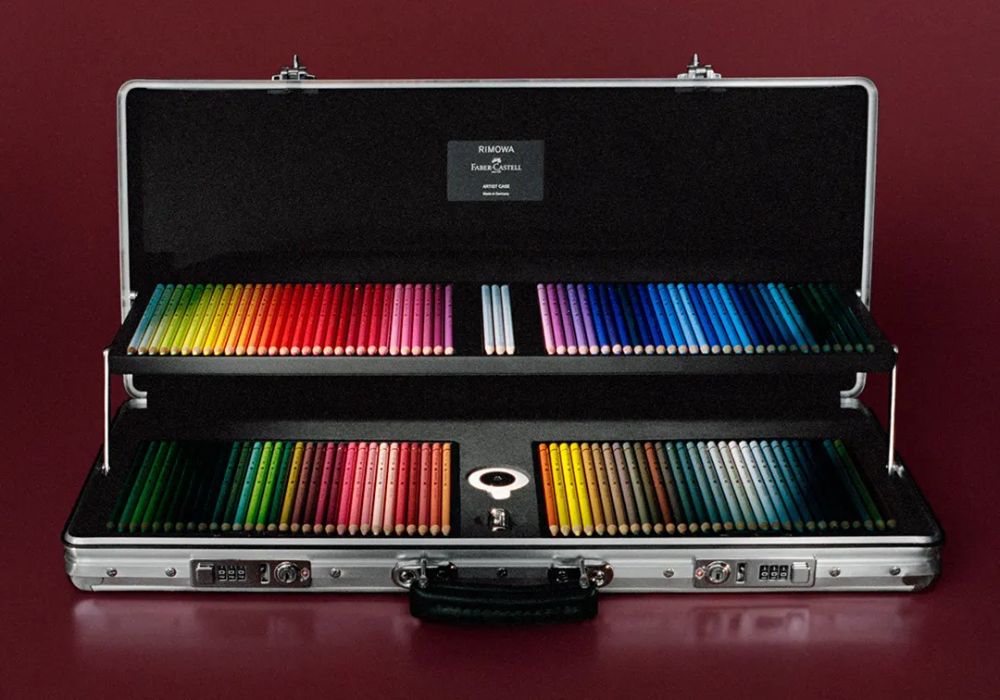
RIMOWA and Faber-Castell have combined their respective German legacies in a limited edition conceived to accompany the creative process: an artist’s case that transfers the functional, pared-back language of aluminium luggage to the world of drawing and illustration.
The collaboration brings together two houses with a long-standing relationship to precision, durability and design. On one hand, RIMOWA contributes its recognisable work with aluminium and its commitment to protecting valuable objects during travel; on the other, Faber-Castell brings its historical expertise in writing instruments and art materials. The result is a piece aimed at both creators and collectors drawn to carefully executed everyday objects.
The case features the ribbed aesthetic that identifies the Cologne-based house, reinterpreted in a format intended to organise and transport drawing tools. Its interior has been designed to accommodate a selection of Faber-Castell tools, with specific compartments that turn the piece into a small portable studio. The proposal emphasises the protection, order and accessibility of each element while on the move.
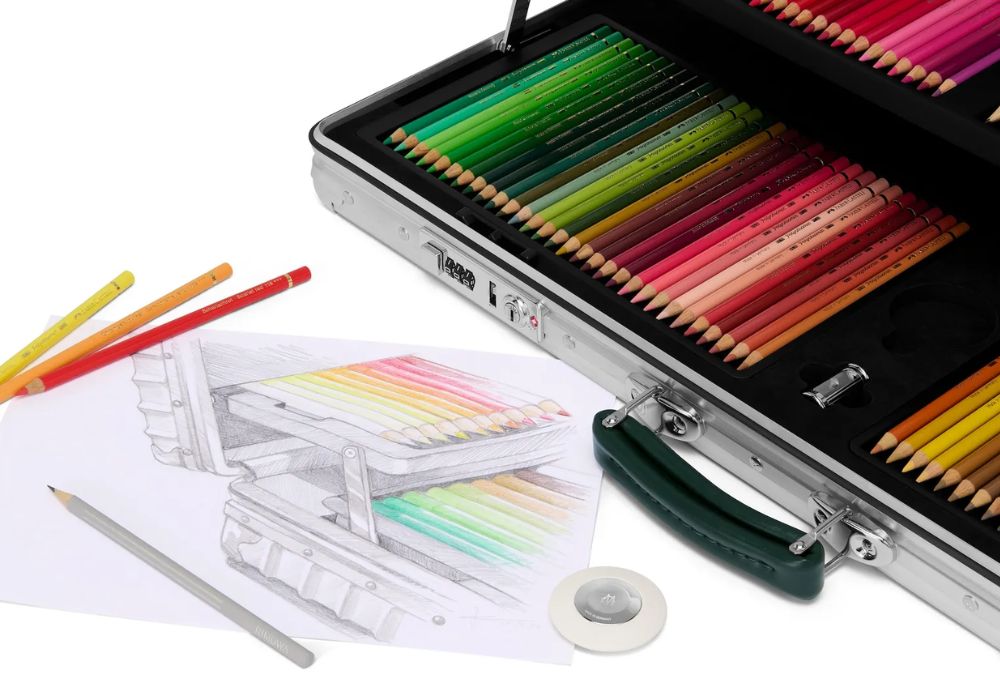 Beyond its status as an accessory, the launch invites reflection on creativity in motion. Travel, observation and the sketchbook have been part of the imagination of numerous artists, designers and architects; this limited edition updates that tradition from a contemporary perspective, where the functional object also acquires aesthetic and collectible value.The initiative also finds common ground between the two brands: an appreciation for materiality. RIMOWA’s aluminium, chosen for its strength and for the patina it develops with use, dialogues with Faber-Castell’s instruments, linked to hand expression and attention to the line. Far from presenting itself as a mere container, the case becomes part of the very ritual of creating.
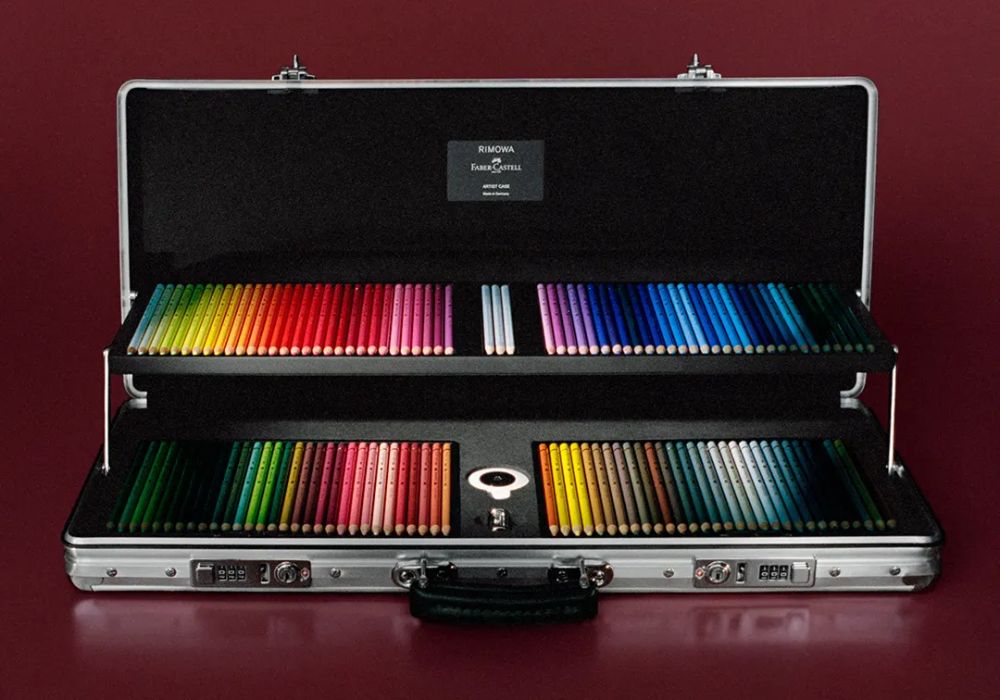 With this collaboration, RIMOWA extends its exploration of formats that depart from conventional luggage without abandoning the codes that define its identity. Together with Faber-Castell, the house proposes a piece that brings mobility, industrial craftsmanship and creativity together in a single high-end object.This limited edition bridges travel, observation and the sketchbook tradition for artists, designers and architects, updating it with contemporary functional and collectible values.
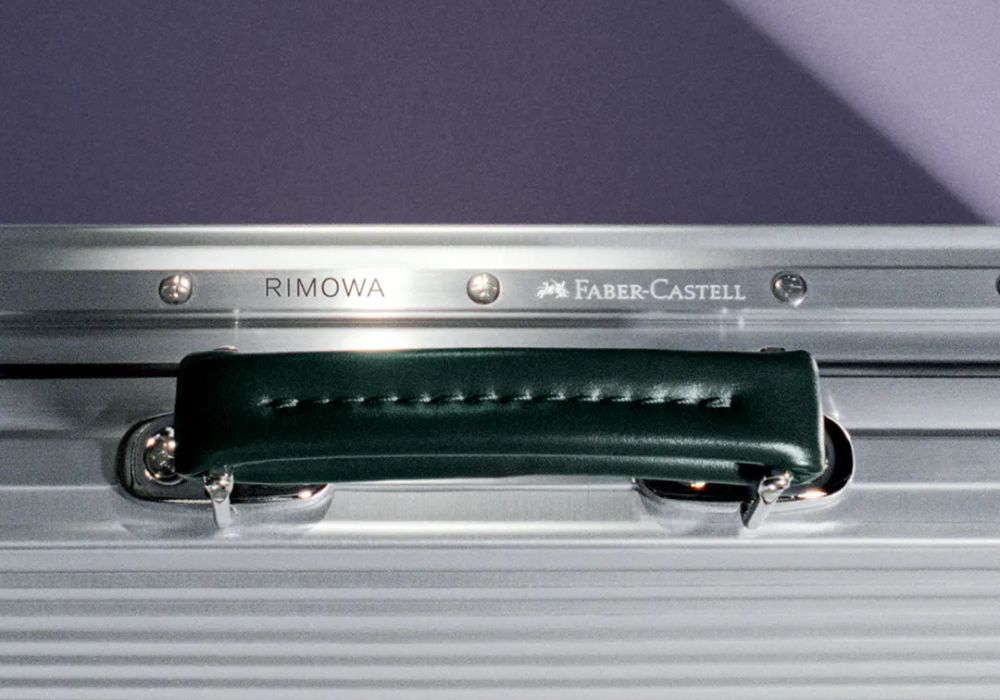 The case positions itself not only as a protective container but as an integral part of the creative ritual, reflecting both brands’ commitment to materiality and design.
Louis Vuitton and Ruinart: Contemporary Art Meets the World of Luxury at Art Basel Paris 2026
Louis Vuitton has once again positioned its Artycapucines collection at the crossroads of fashion, design and...