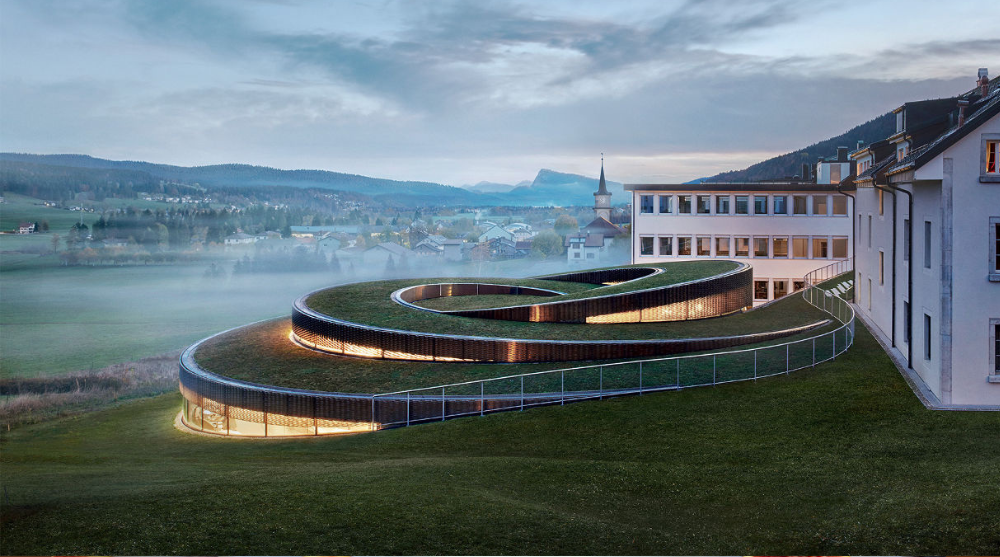
In the Swiss village of Le Brassus, within the Vallée de Joux, stands the Musée Atelier Audemars Piguet, a space that brings together more than two centuries of watchmaking history and demonstrates how mechanical precision can also be translated into architecture.
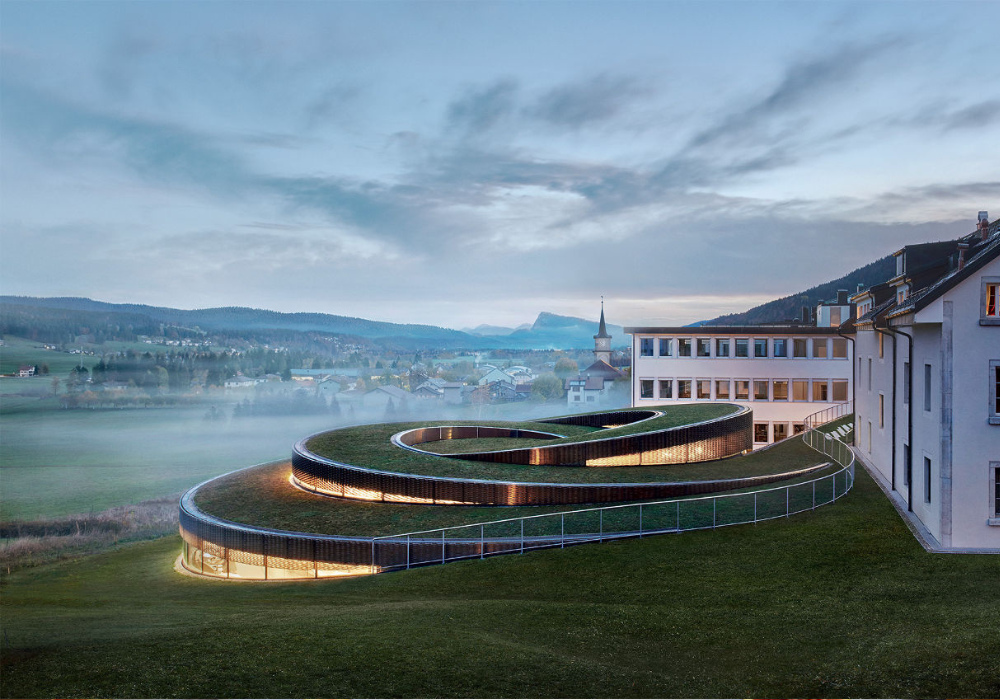
The building was designed by the Danish studio Bjarke Ingels Group (BIG) with the goal of giving it the shape of a glass-and-steel spiral, a structure reminiscent of a watch’s internal movement. Its circular layout allows visitors to follow the evolution of the brand since its founding in 1875, while natural light accompanies them along the way, like a seconds hand marking time with precision.
The museum also stands out for its commitment to sustainability. The building uses advanced climate and light-control systems designed to preserve the pieces while reducing energy consumption, and its architectural integration with the landscape reflects the manufacture’s contemporary vision of responsible heritage management.
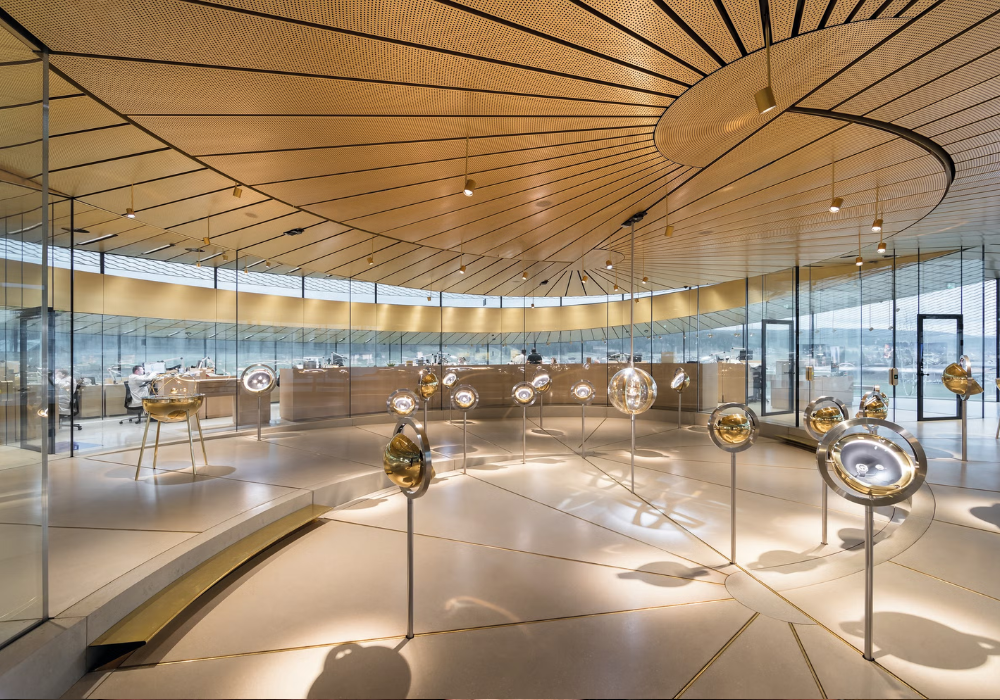
Inside, more than 300 watches are displayed, including the 1899 “Universelle” model, a piece with over 1,100 components considered one of the most complex ever created by Audemars Piguet. In addition to its exhibition function, the museum incorporates the Grandes Complications and Métiers d’Art workshops, where artisans work in full view of the public inside glass-enclosed spaces. This approach reinforces institutional transparency and turns the visit into a direct learning experience. Visitors can observe assembly, adjustment and polishing processes that have placed the manufacture among the world’s leading artisans, giving tangible meaning to concepts such as precision, regulation and finishing.
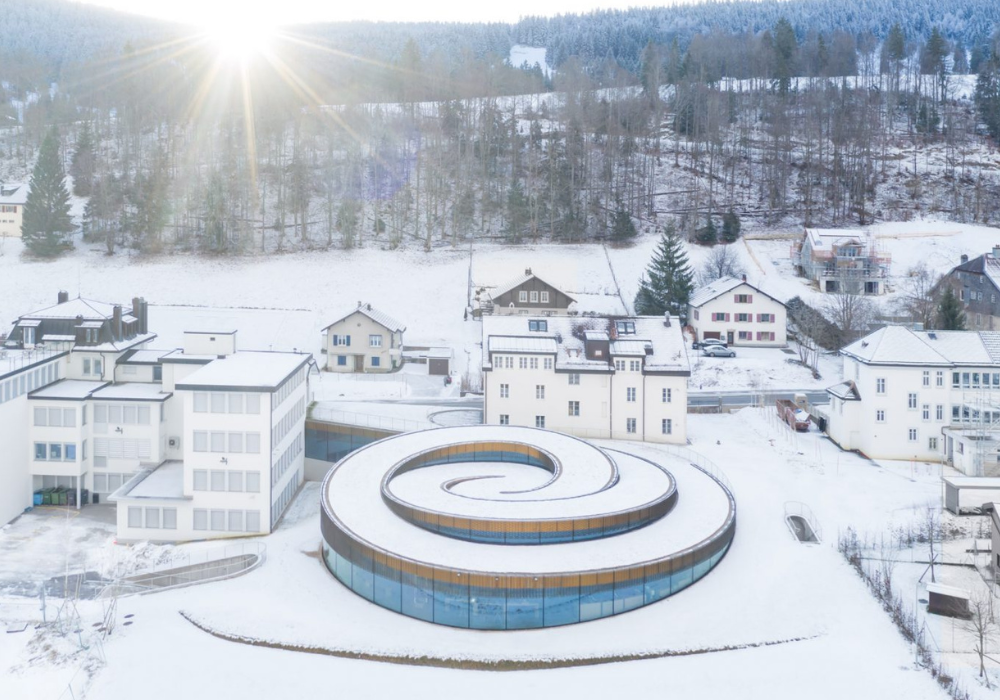
The visit is organized in small groups and requires advance reservation. Throughout the tour, visitors discover not only the history of the manufacture but also the connection between the watchmaking craft and the natural environment of the valley, the birthplace of Swiss haute horlogerie.
The Musée Atelier Audemars Piguet not only preserves the legacy of the manufacture but translates it into a living experience: a spiral of time, precision and craftsmanship that unites history and luxury.