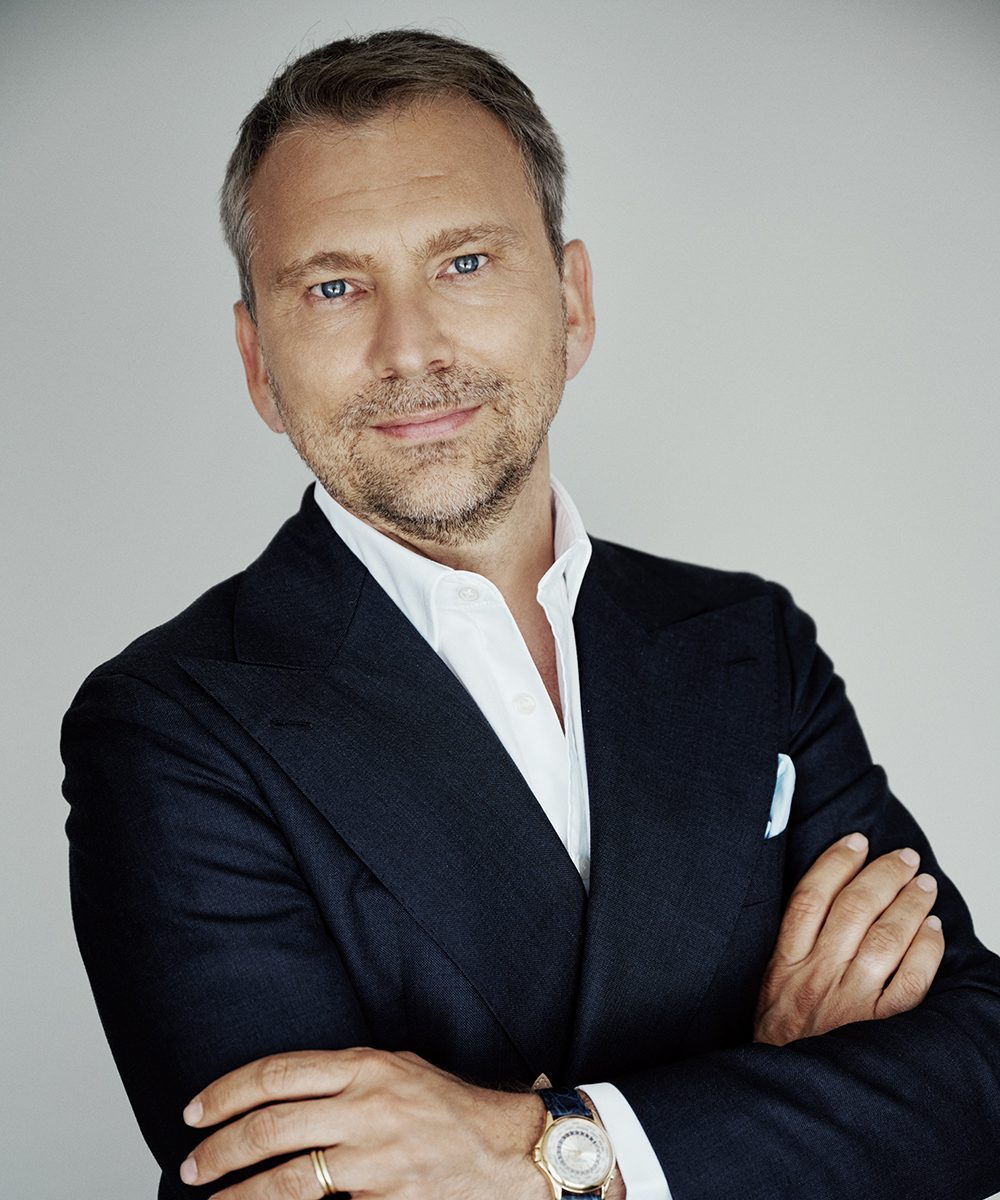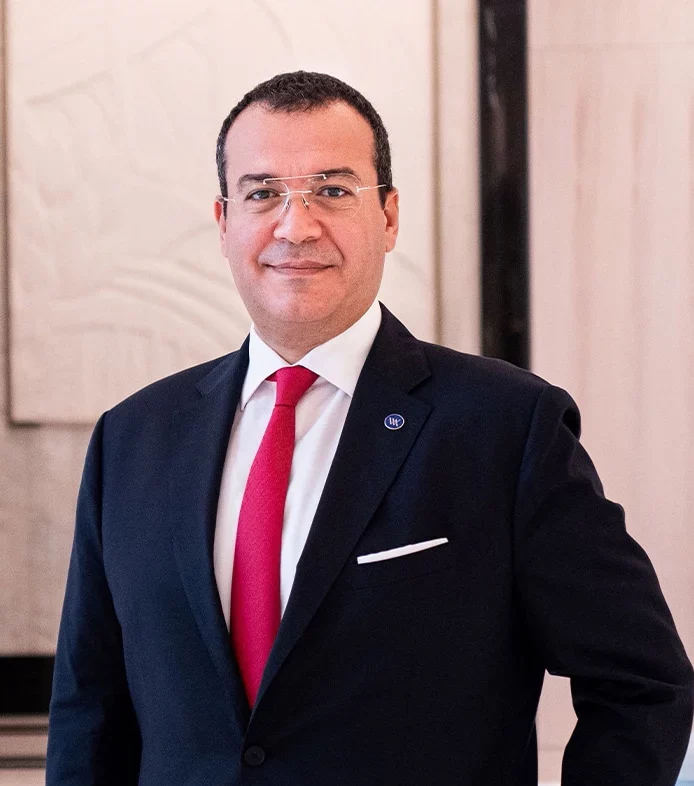
Balmain appoints Antonin Tron as its new creative director, marking the beginning of a chapter that links the maison’s historical heritage with a vision focused on technique, fabric innovation and precise tailoring. The French designer, trained in some of the most influential ateliers in Paris, assumes a strategic role that places a key creation at the centre of the house’s future.

The arrival of Tron at the helm of Balmain represents one of the most notable movements within the luxury industry in the past year. Known for founding ATLEIN and for his architectural approach to design, the creator takes charge of a house with a powerful legacy shaped by Pierre Balmain and consolidated over the last decade through a narrative infused with visual impact and contemporary culture. His appointment positions the maison at a turning point, with the objective of balancing global visibility with a renewed emphasis on technique, construction and textile research, elements that have defined Tron’s work since the beginning of his career. His arrival is interpreted as a strategic decision in a market where material authenticity and craftsmanship excellence carry increasing value.
The designer’s background offers insight into the direction Balmain may take in this new phase. Trained in prestigious French schools and with experience at houses such as Balenciaga, Louis Vuitton and Givenchy, Tron has developed an approach rooted in the innovation of raw materials and the precision of pattern-making. His work at ATLEIN, shaped around movement, elasticity and advanced draping techniques, enabled him to establish a solid identity within the European independent fashion scene. This technical reputation, substantial and detached from purely spectacular logics, positions him as an ideal profile at a moment when maisons seek to reinforce the intrinsic quality of their proposals. Balmain, historically associated with impeccable construction and refined savoir-faire, finds in this vision a natural bridge to its own archive.
The appointment follows an internal period of reflection in which the house reassessed the reach of its aesthetic language within a global landscape marked by new cultural dynamics. The maison operates in an environment where competition is intensifying and where creative identities must be supported by coherent narratives capable of combining heritage, present relevance and international projection. Tron’s more intimate, process-oriented perspective contrasts with the exuberant codes of the previous era without dismissing the house’s distinctive visual strength. This shift reinforces Balmain’s intention to produce a more structured discourse centred on textile innovation and a deeper understanding of garment architecture.
The maison has stated that Tron’s first collection will be unveiled in 2026, offering the designer significant time to engage with the archive, understand the brand’s internal codes and collaborate with its ateliers. This transition period, common within the luxury sector, enables the creation of a coherent visual language without immediate pressure from the runway calendar. Balmain’s strategy in this initial phase focuses on observation, analysis and the reinforcement of its identity, aiming to consolidate a clear vision across both runway and commercial spheres. Close collaboration with the brand’s departments of craftsmanship, embroidery and tailoring will be crucial, especially given the house’s historical connection with draping, structured volumes and geometric embellishment.
The international impact of the appointment is reflected in the substantial media attention generated across both general-interest and specialised publications. The designation of Tron corresponds to a moment of high rotation in the creative leadership of European luxury houses, underscoring the strategic relevance of these shifts within an increasingly competitive sector. Tron’s rigorous profile, valued for his command of the craft, strengthens the perception that Balmain aims to delve deeper into its essence, particularly in a global environment where consumers demand clear narratives, high-quality materials and designs that combine durability, precision and aesthetic intention. His ability to work from the structural principles of French fashion while projecting them into a contemporary register may position the maison for renewed stability.
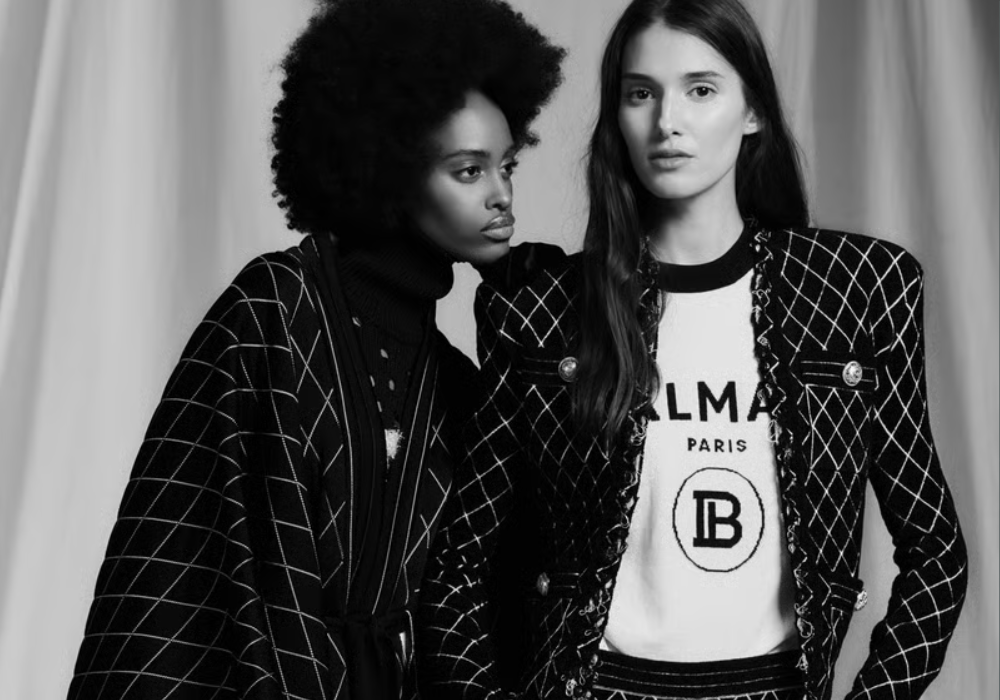
From an institutional standpoint, the appointment also anticipates a redefinition of the house’s market positioning. Balmain has built its prestige through a combination of glamour, theatricality and craftsmanship; the challenge of this new phase lies in integrating these values with a more technical orientation, where material research, volume experimentation and formal coherence become central pillars of a proposal capable of engaging diverse audiences. The maison has highlighted that the archive will play a significant role, allowing fundamental elements of Pierre Balmain’s vocabulary to be reinterpreted through a contemporary lens. This process is increasingly relevant within a landscape in which historic houses draw from their foundational codes to strengthen identity and competitiveness.
Ultimately, Tron’s appointment reflects Balmain’s ambition to evolve without relinquishing its memory, an essential balance in the luxury universe. The adoption of a creative direction that prioritises technique and construction suggests the maison aims to reinforce a sophisticated cultural narrative rooted in long-term aesthetic purpose. With this step, Balmain opens a chapter that may redefine its global presence, strengthening its voice, precision and influence within a sector advancing toward more refined and coherent propositions.