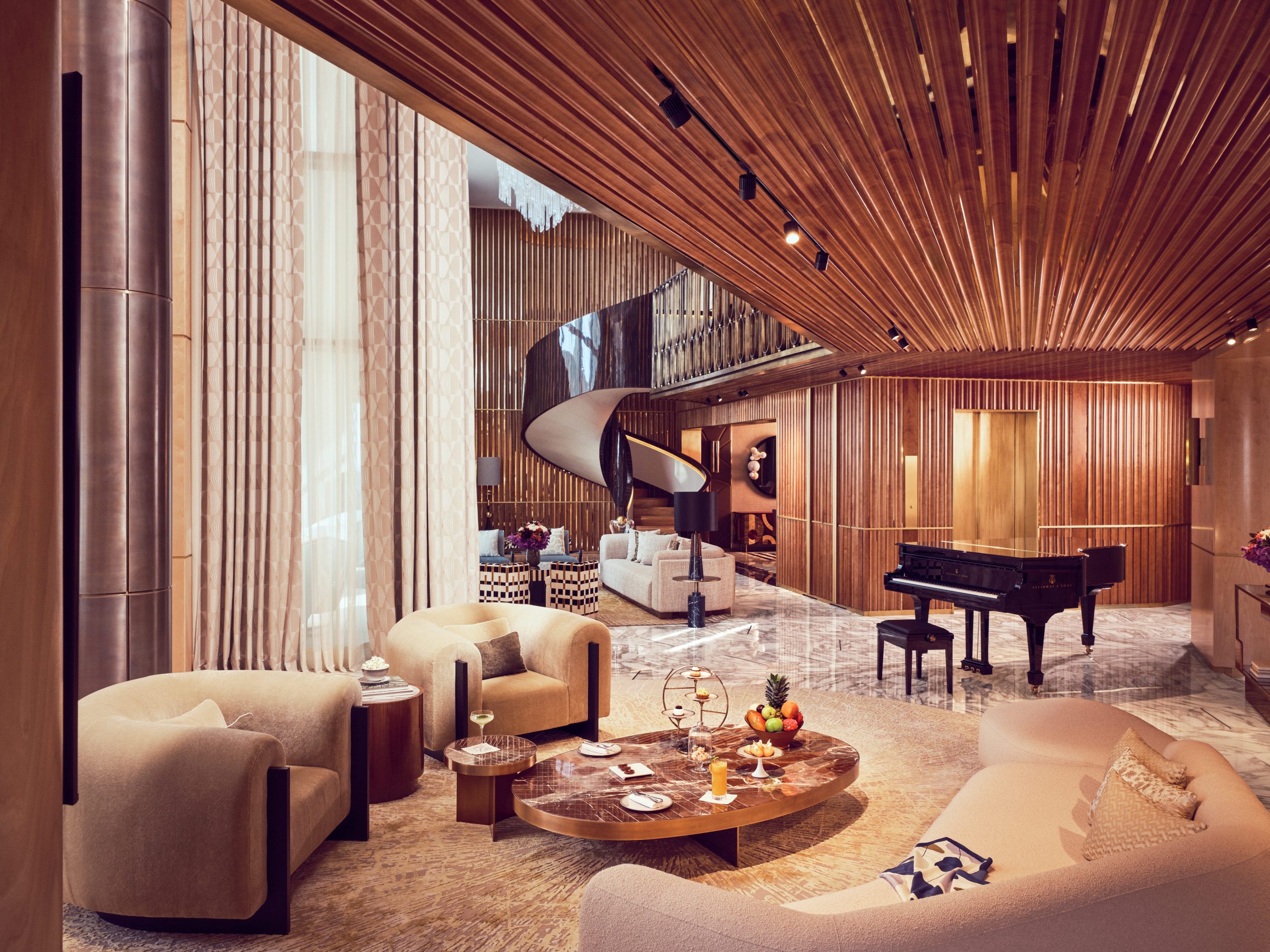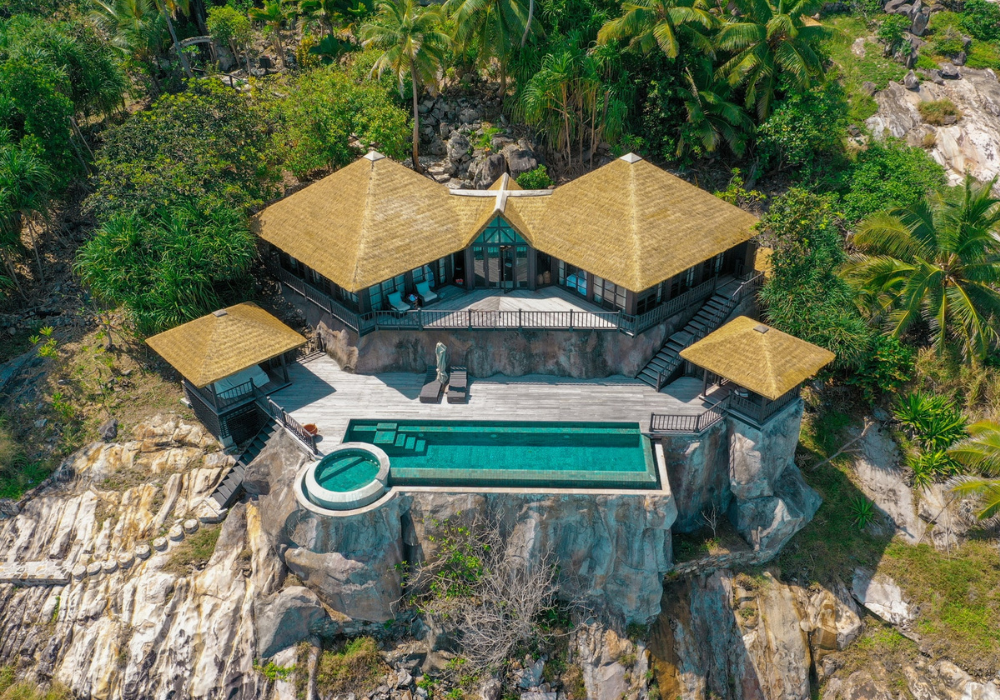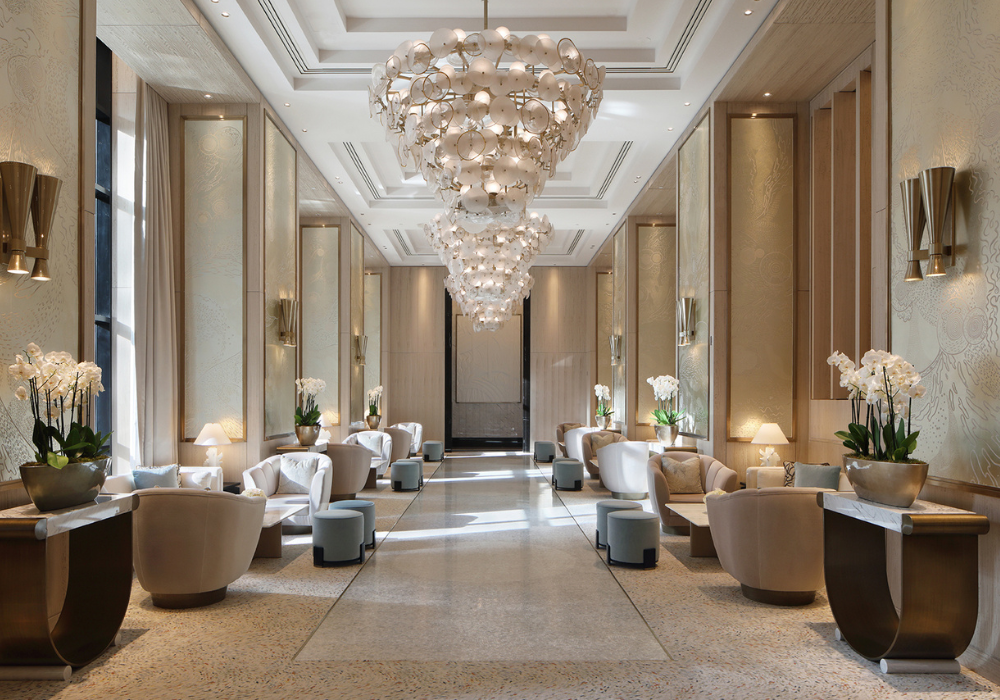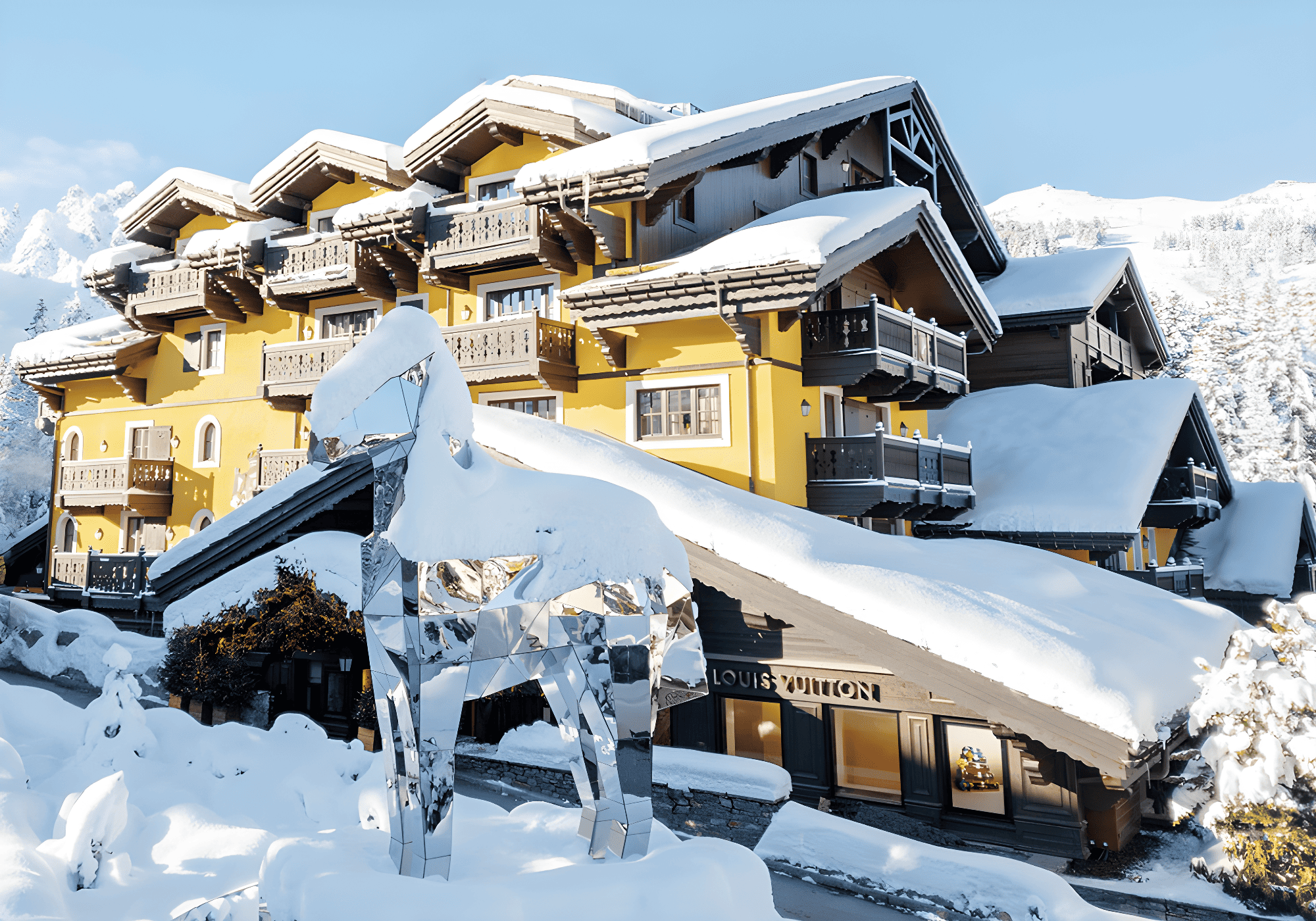
 Cuisine sits at the heart of the Four Seasons Caye Chapel proposition, conceived as a structural component of the island experience rather than an add-on. The resort anticipates a diversified culinary offer, with restaurants and social spaces integrated into the club and the development’s central hub, serving both residents and guests. The official narrative highlights an approach rooted in local produce and a direct relationship with the marine environment, aligned with responsible sourcing practices and a cuisine that blends international technique with Caribbean context. Within a private island setting, this concentration of dining also follows an operational logic: ensuring variety and quality without reliance on external travel, reinforcing the destination’s self-sufficiency.
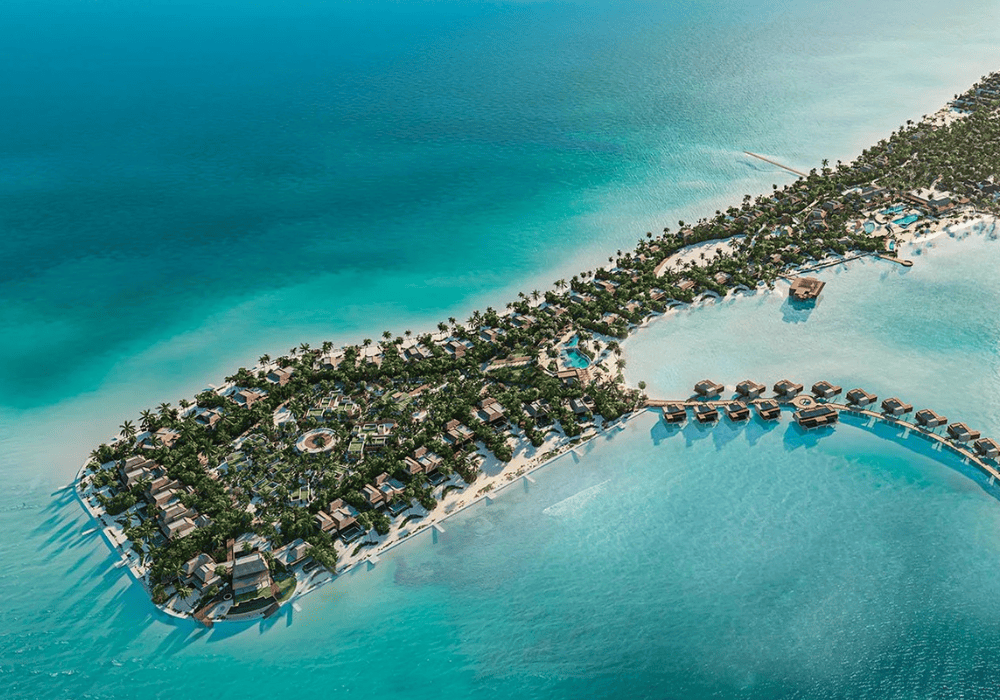
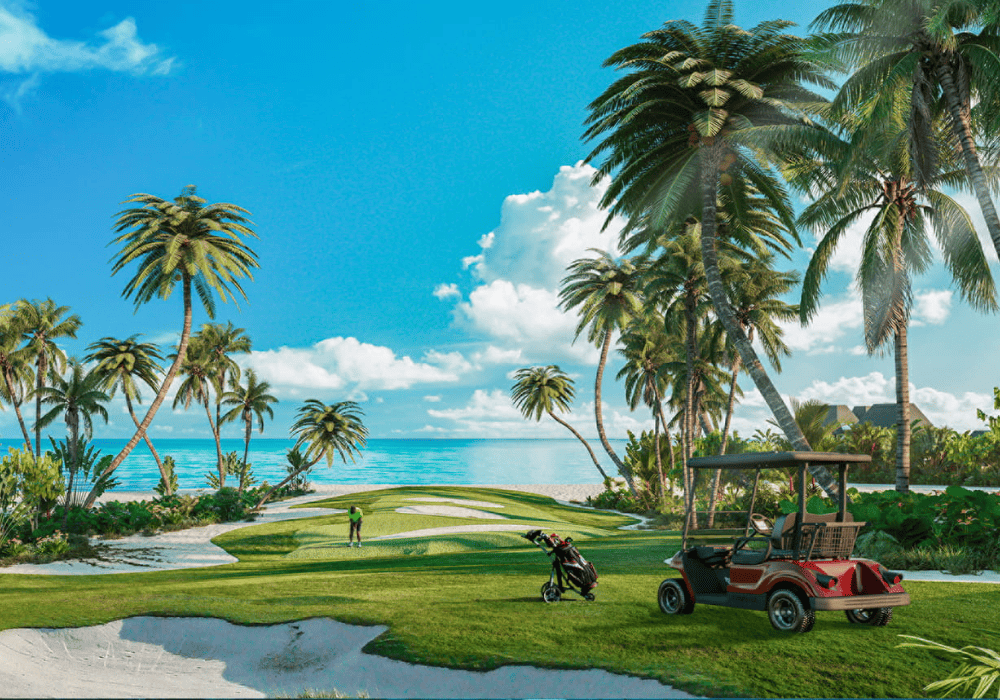
In parallel, the experiences and activities programme is organised around the sea, sport, and club life, core elements of Caye Chapel’s identity. The project includes an operational marina, an internationally designed golf course, and the Fabien Cousteau Adventure Center, geared toward marine exploration, diving, and educational activities connected to the local ecosystem. Added to this are wellness, sport, and social-leisure offerings intended to support longer stays in a controlled environment, where curated programming replaces the traditional urban menu. This approach reflects a clear trend in today’s luxury residential segment: remote destinations capable of sustaining pace, content, and variety of experiences without compromising privacy or calm.
The environmental component can be distilled into a single word that now shapes investment decisions, reputation, and regulation: sustainability. In branded residences, the argument is not confined to a “best practices” section; it is typically embedded in materials, internal mobility, energy consumption, and water management, because owners live with those systems for years. For the destination, sustainability also functions as a form of social licence: it helps justify exclusivity, and controlled access, at a time when scrutiny of high-end tourism’s impact is increasing. Against that backdrop, the narrative of an island with integrated services and comprehensive planning aims to move away from improvisation and present an operation built on consistent standards.
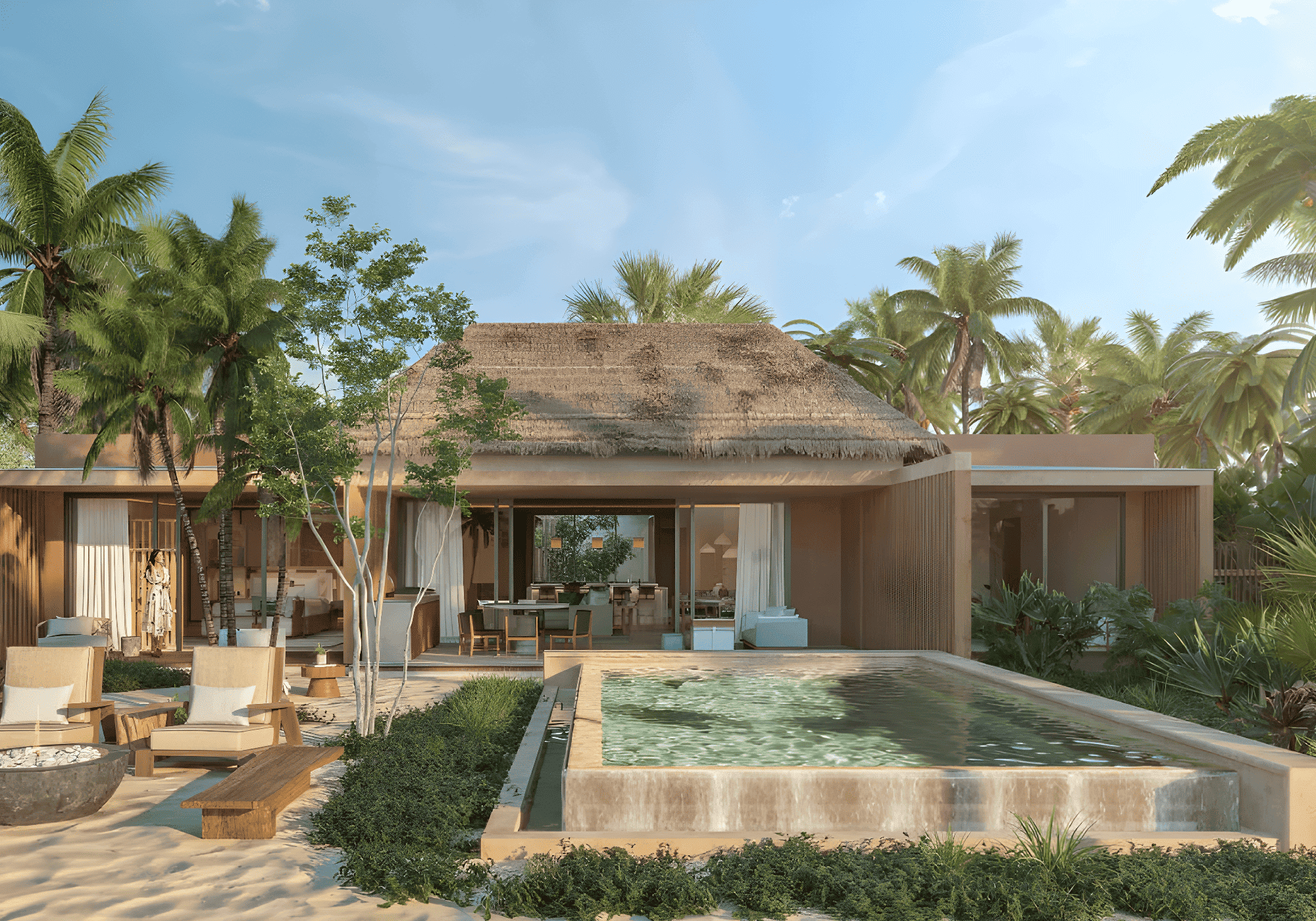
With an opening scheduled for 2026, the key will be how effectively the project delivers on what it sets out on paper: continuity of service, harmony between community and seclusion, and an environmental integration that is not merely rhetorical. The result would be a destination where ownership becomes an operational experience, and where luxury is measured as much by the visible, sea, architecture, club life, as by the invisible: logistics, standards, and control of the environment.
The Luxury Trends (Revista de Lujo – Luxury Magazine) © Four Seasons imágenes