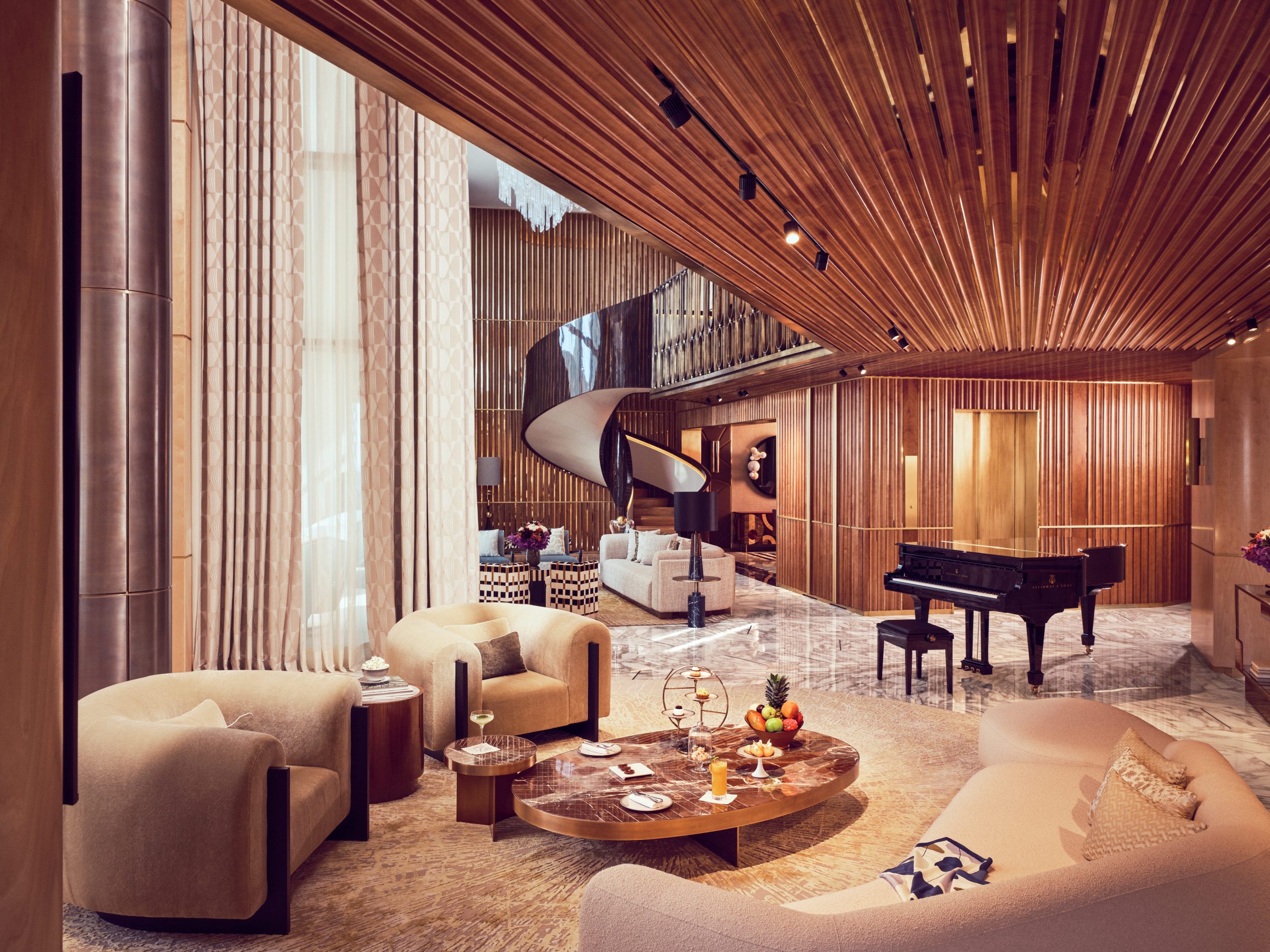
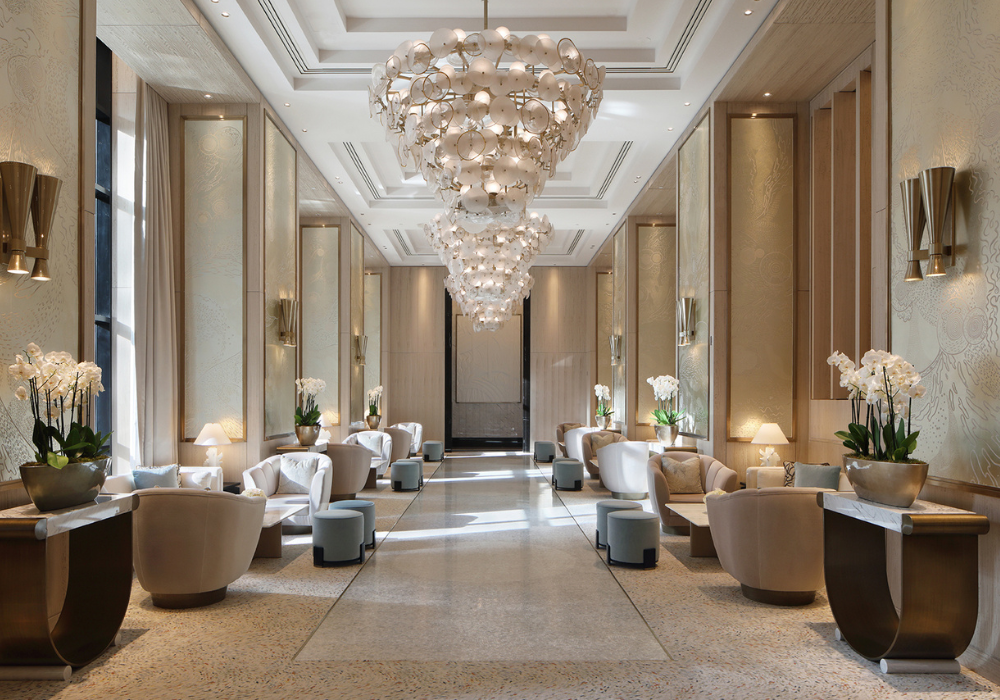
On the western corniche of Abu Dhabi, Emirates Palace Mandarin Oriental has established itself as one of the most recognizable symbols of high-end tourism in the Middle East, combining a dream-like palace with international luxury service standards. The historic complex, now managed by Mandarin, structures its offering around a private beach, signature gastronomy, wellness and cultural experiences.
 The resort stretches over approximately 1.3 kilometres of private beach and a vast landscaped area that connects the main building with its own marina and the various leisure and meeting spaces. Architecturally, the complex is inspired by the codes of an Arab palace, with dozens of domes, columns and geometric motifs combined with marble, inlays and gold details that underline its institutional character. This scale makes Emirates Palace a landmark of the Abu Dhabi skyline and a regular setting for official events, international conferences and editorial productions linked to the world of luxury.
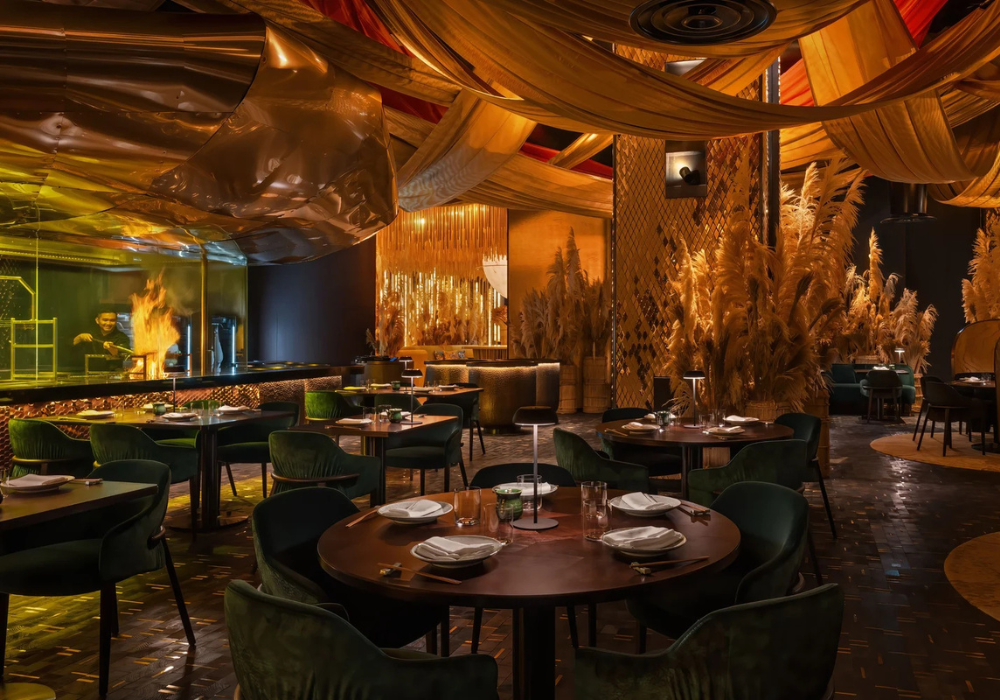
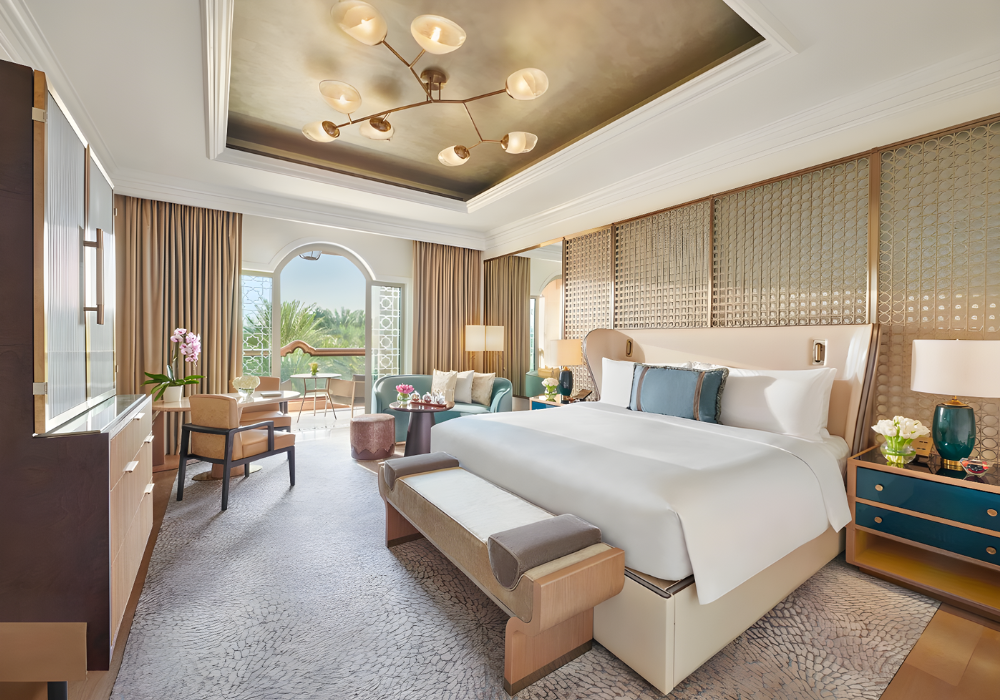 The gastronomic offering has become one of the key pillars of the hotel’s positioning. Emirates Palace Mandarin Oriental brings together up to 12 dining venues where cuisines from different origins coexist, including two Michelin-starred restaurants. Among the most notable names are Hakkasan, an international benchmark for contemporary Chinese cuisine; Talea by Antonio Guida, which brings the philosophy of Italian “cucina di famiglia” to Abu Dhabi; Martabaan by Hemant Oberoi, focused on high-end Indian cuisine; and regional concepts such as Vendôme or Episodes, designed for a mixed audience of residents and travellers. This diversity positions the hotel as a gastronomic destination in its own right within the Emirati capital.
 Beyond individual guests, the complex plays a significant role in the events and meetings segment. Its spacious conference halls, gardens and outdoor areas make it possible to host everything from large-scale weddings to business summits and institutional functions. The combination of high-level infrastructure, technological connectivity and in-house banqueting services reinforces Abu Dhabi’s appeal as a venue for international meetings, in line with the emirate’s strategy to diversify its economy through tourism and the high-end MICE sector.
The future of the complex is linked to its ability to maintain a balance between its architectural design and the constant upgrading of services, technology and leisure offerings. The integration of sustainability criteria, culinary diversification, a strong focus on wellness and the development of loyalty programmes tailored to different markets emerge as key elements to ensure that Emirates Palace Mandarin Oriental continues to be cited among the most emblematic properties when discussing ultra-luxury hospitality in the Middle East.
The Luxury Trends ( Revista de Lujo – Luxury Magazine) ©Emirates Palace Mandarin Oriental imágenes.