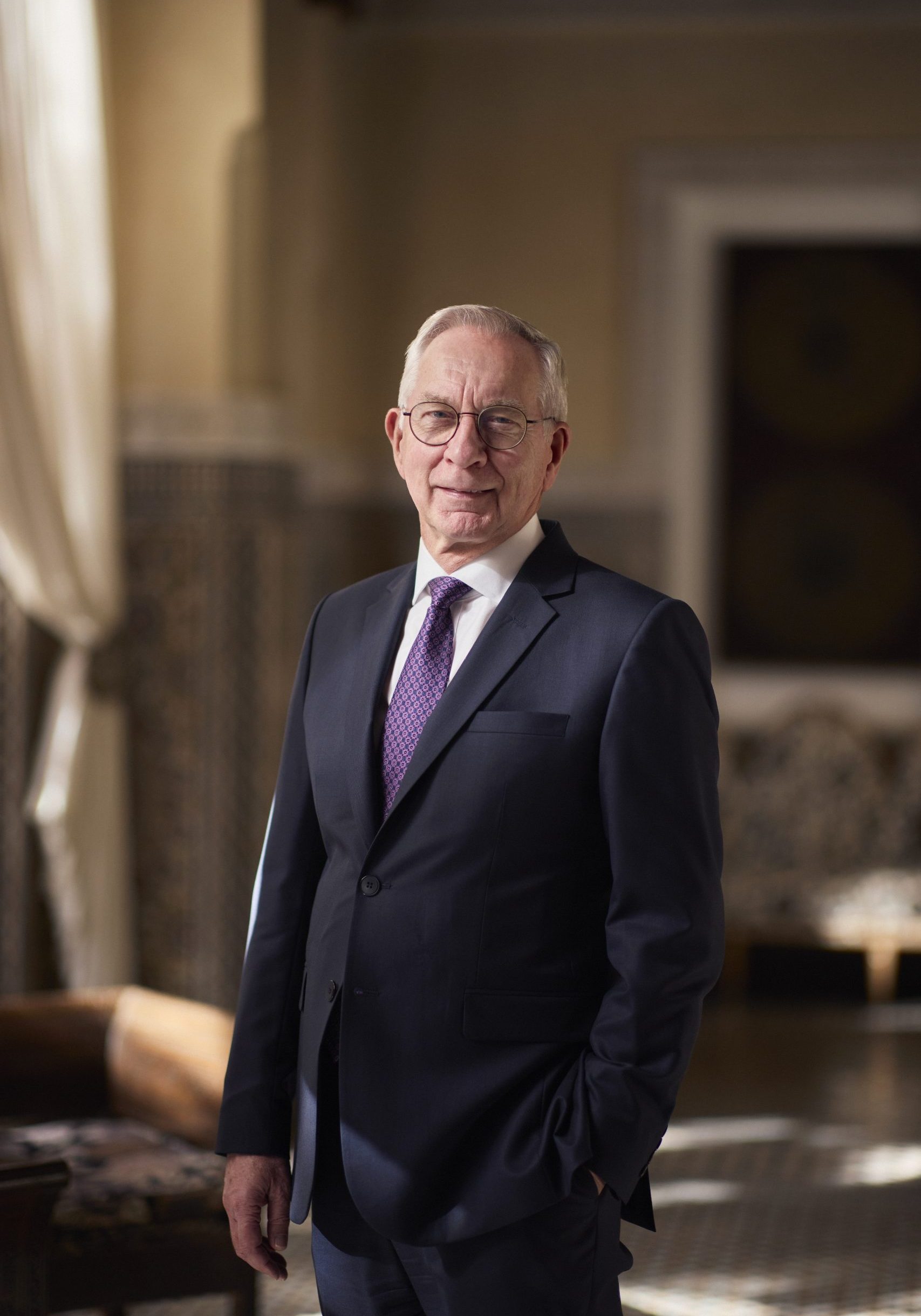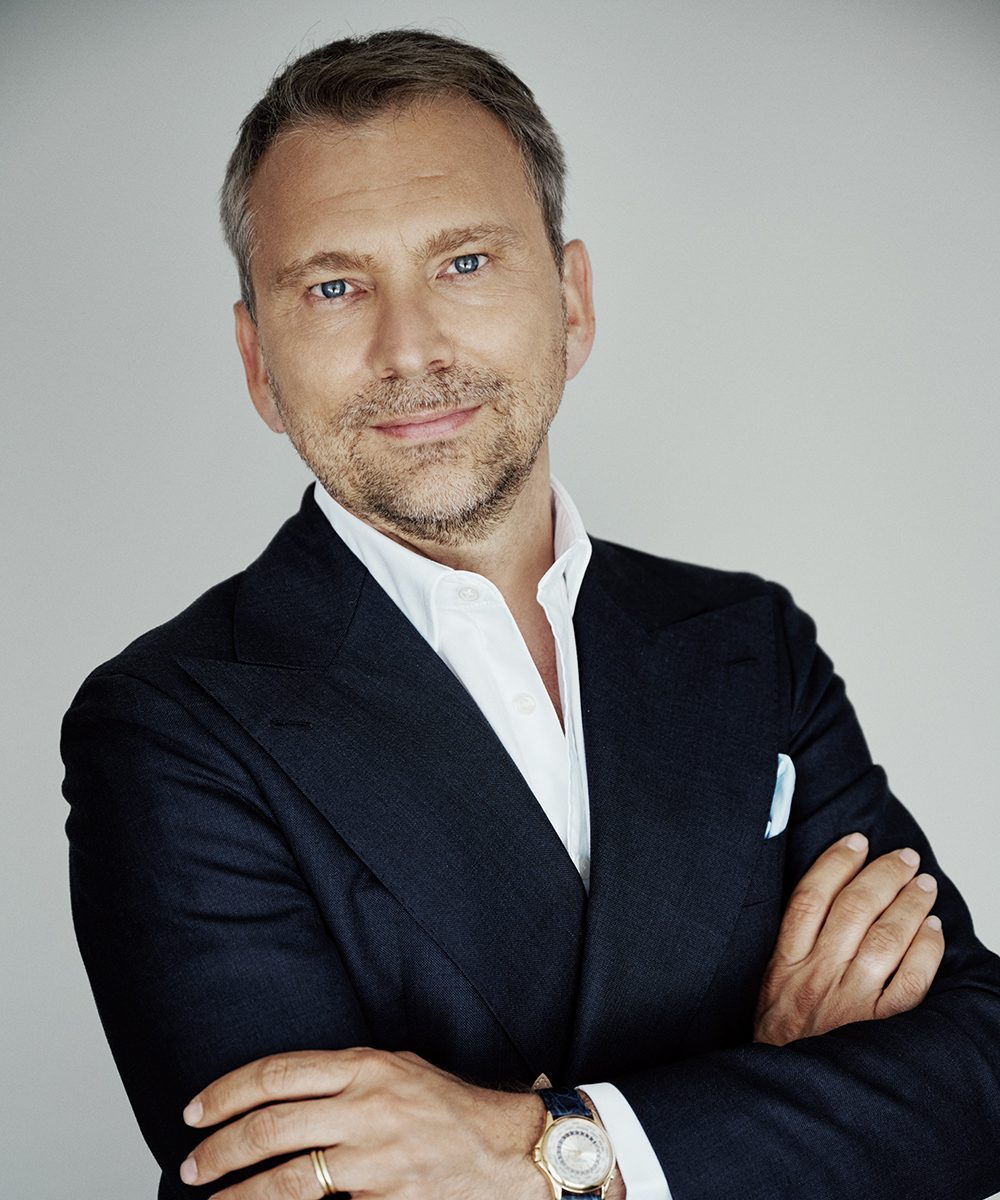
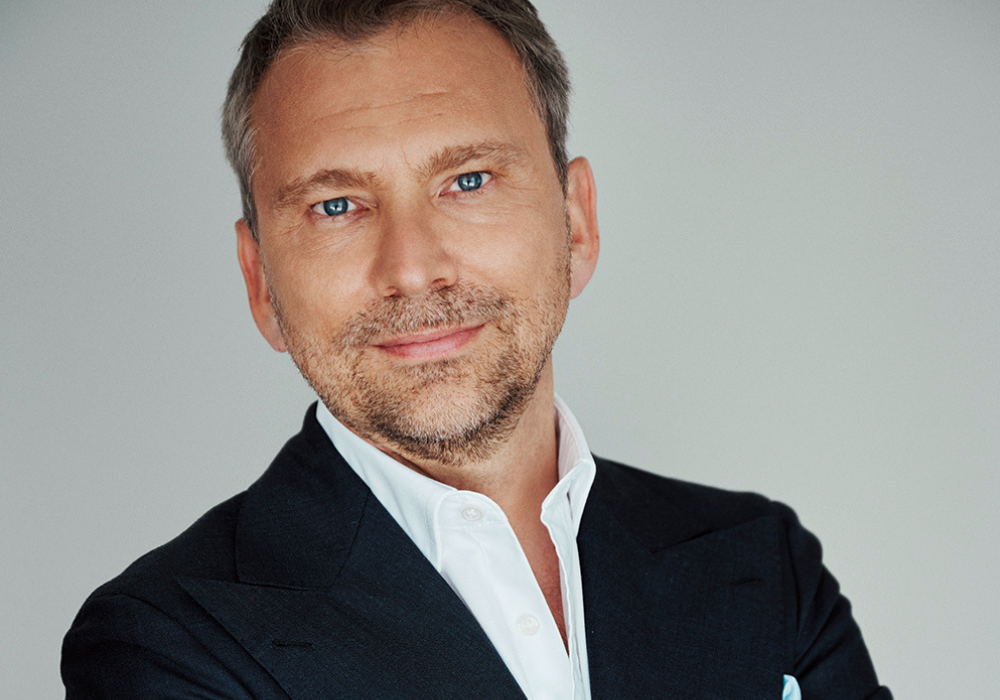
Simone Gibertoni is the CEO of Clinique La Prairie and is internationally recognized as one of the most influential voices in the fields of longevity, preventive medicine, and high end wellness. This interview focuses exclusively on his perspective on health, time, and the future of living better and for longer.
What does luxury mean to you?
For me, luxury is no longer about owning more. It is about reclaiming time: time with depth, silence, and intention. In a world obsessed with speed, the ultimate privilege is being able to slow down without guilt and to be fully present without distractions.
Luxury is also freedom of choice: the ability to protect your attention, to shape your environment, and to invest in what genuinely improves your life, rather than in what merely looks appealing from the outside.
There is a reason why the strongest dynamics in luxury today are increasingly centered on experience: people are shifting from status to meaning, from acquisition to transformation.
How is luxury defined when applied to health and longevity?
In the context of health, luxury means rigorous prevention delivered with humanity. It is the combination of medical excellence, extreme personalization, and a level of care that makes change sustainable.
Luxury in longevity is not a “treatment.” It is a method: it is measured, interpreted, acted upon, and followed up. You leave with clarity, not just a memory. And you do so in an environment that protects what most people have lost: calm, privacy, time, and trust.
As the global wellness market continues to expand and younger generations embrace wellness as a daily, personalized practice, expectations are rising: people want results, credibility, and continuity, not vague promises.
What does “longevity” really mean today, beyond simply living longer?
Today, longevity means vitality. It means maintaining mental sharpness, physical capability, and emotional resilience for as long as possible. The real goal is not lifespan, but healthspan: the number of years lived with energy, autonomy, and quality of life.
Globally, we have made progress in living longer, but we are not closing the gap between “years lived” and “years lived well.” Data from the World Health Organization shows that while healthy life expectancy has improved, it has not kept pace with total life expectancy, meaning many people spend more years living with disabilities or chronic conditions.
A large global analysis quantified an average gap of around 9.6 years between healthy life expectancy and total life expectancy, reinforcing the urgency of shifting from reactive medicine to structured prevention.
How is trust built in such a delicate and personal field as healthcare?
Trust is built through a combination of competence, transparency, and continuity, and it must be earned every day. In practice, this means scientific rigor, clear diagnostics, personalized programs, and measurable outcomes. It also requires a structured process that patients can understand: diagnosis → integrated intervention → follow-up.
Trust grows when people feel they are not being “sold” wellness, but guided through a structured medical process.
And we must never forget the human side: research consistently links strong doctor–patient relationships with higher adherence, greater satisfaction, and better outcomes.
In a world of health misinformation and exaggerated claims, medical credibility and ethical restraint are not optional, they are the foundation.
Is there a risk that longevity becomes an inaccessible privilege?
Yes, that risk exists. And it must be acknowledged clearly: if longevity becomes purely a luxury narrative, we will create a future where some people extend their healthy lifespan, while others simply extend survival with disease.
However, there is also a powerful countertrend: the democratization of longevity tools. The cost of DNA sequencing has dropped dramatically over time, and the diagnostics ecosystem is becoming faster, more affordable, and more scalable.
The evolution we want is the same seen in other industries: early adoption starts at the top, but what is validated expands outward. The goal is not to turn everyone into a biohacker, but to make prevention normal, understandable, and accessible.
The real inequality is not access to luxury clinics. It is access to early detection, reliable guidance, and healthy habits. That is where the future must focus.
What role will artificial intelligence play in preventive medicine?
AI will become a major driver of preventive medicine, but it will not replace doctors. It will act as a clinical co-pilot: helping physicians interpret complex datasets, detect subtle risk patterns earlier, and design more precise interventions.
Globally, health authorities are increasingly focused on governance and ethics in AI applied to healthcare, including accountability, fairness, transparency, and patient protection.
The scientific community is also raising the bar for how AI tools should be evaluated in real clinical settings, because in healthcare, “impressive demos” are not enough.
My view is simple: AI will improve prevention when it strengthens medical judgment, enhances safety, and advances personalization, while keeping the human relationship at the center.
How will the health, wellness, and beauty sectors evolve over the next five years?
They will converge, and the winners will be those who move from aesthetics to biology, from experience to outcomes.
Three shifts are already visible:
First, wellness is becoming more personalized and integrated into daily life, driven by new consumer expectations and data-driven habits.
Second, beauty will continue evolving toward science-backed credibility, while facing increasing scrutiny around exaggerated claims and “science-washing.”
Third, the model will shift from one-off experiences to ecosystems: clinical precision, at-home routines, monitoring, coaching, and continuity.
In short, the next era will reward brands and institutions that can prove their impact, not just promise it.
How did you start at Clinique La Prairie?
My professional journey began far from the field of longevity, but it was always driven by one obsession: continuous improvement and the desire to create things that genuinely change lives. When I entered the longevity space, I saw that the future would belong to prevention: serious medicine, delivered with empathy and supported by a method.
On a personal level, how do you apply longevity principles in your own life?
I try to live according to what I believe: consistency over intensity. I rely on simple routines built around four pillars, movement, nutrition, well-being, and prevention, and I carve out daily time to reset and think clearly.
What daily habit do you consider essential?
A combination of movement and mental clarity: meditation, breathing exercises, and a few minutes each day to reconnect with priorities. If you do not take care of your mind, you lose your time.
I dedicate one hour every morning exclusively to my “longevity ritual.”
What defines you, both professionally and personally?
A sense of contribution. I constantly ask myself: how can I be useful? How can I help others grow, improve, and become stronger?
Do you have any hobbies?
My family is my anchor. And I love reading, writing, and learning, because curiosity is a form of vitality.
What advice would you give to younger generations today?
Never stop learning, never stop improving. There is always room for people with drive: the drive to grow, to build, and to do meaningful work.
Is there any book or author you would recommend?
Beyond my own books, jokes aside, I believe in reading widely and consistently. My goal is to read between 40 and 50 books a year, across different disciplines. The best ideas often come from outside your field.
What is your favorite destination?
Places connected to our ecosystem feel especially close to me, because they represent missions, people, and progress. I am particularly excited about Phuket as a new chapter. In terms of heritage and identity, Montreux will always remain the emotional home of what we do.