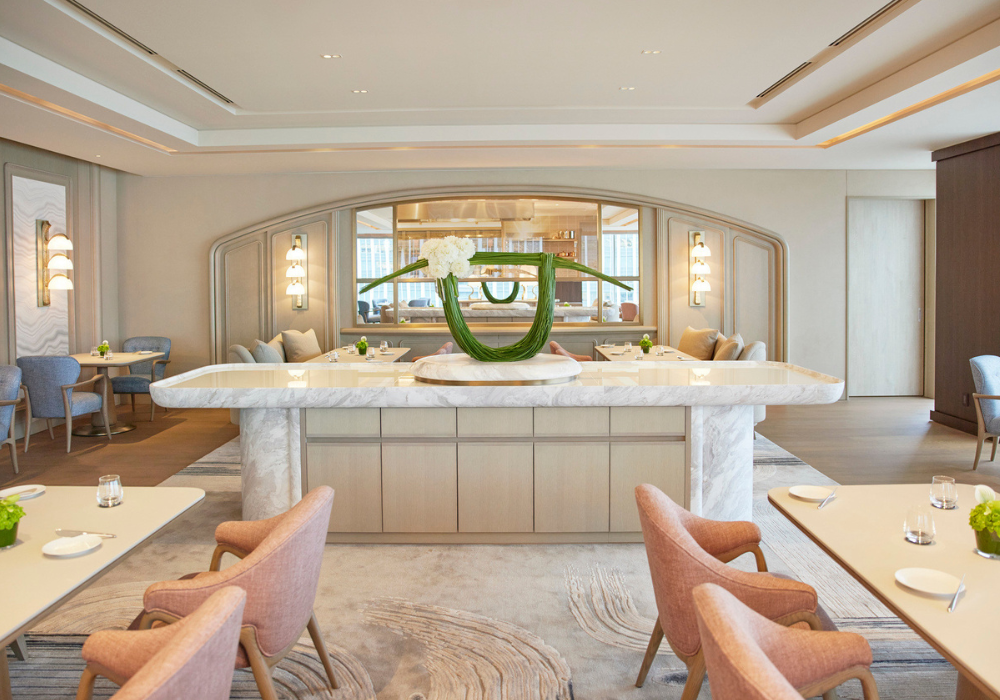
 The setting is part of the same logic. The restaurant will be located on the building’s rooftop, with an open terrace and a south-facing aspect conceived as a vantage point over key urban landmarks and the ceremonial route of The Mall leading toward Buckingham Palace. In the premium segment, a view is not framed solely as an aesthetic attribute: it also shapes the type of booking, celebrations, corporate engagements, international visitors, and ultimately defines the venue’s competitiveness against other London addresses that have turned their upper levels into a gastronomic asset.
The project sits within a heritage-led redevelopment with direct impact on the capital’s hotel landscape. Waldorf Astoria London Admiralty Arch is scheduled to open in spring 2026 as the brand’s first London outpost, with 100 rooms and suites and 17,500 square feet of residences. Hilton positions the scheme as the restoration of a Grade I listed landmark, developed alongside Reuben Brothers—a combination that links luxury hospitality, investment, and architectural preservation.
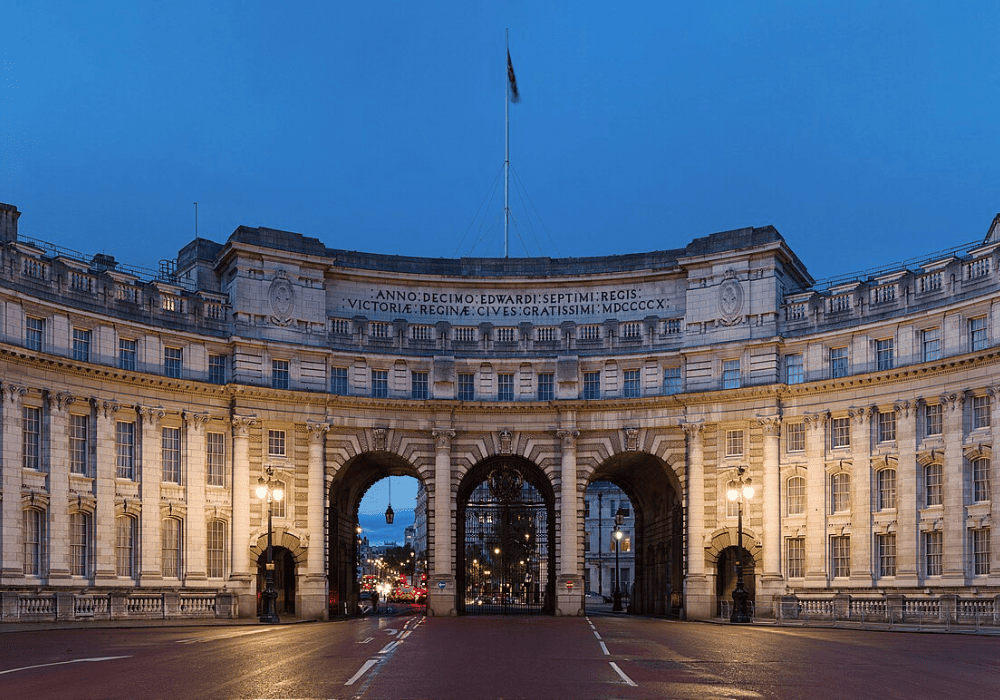 The building brings a narrative London knows well: the shift from institutional uses to hospitality while retaining the weight of heritage. Admiralty Arch was commissioned by Edward VII in memory of Queen Victoria and completed in 1912; for decades it housed government offices and functions linked to the Admiralty, and its location connects Trafalgar Square to The Mall. In the context of a luxury hotel, that history becomes part of the “product,” but also an operational constraint: restoration requirements drive decisions on access, circulation, and spatial distribution that shape how the dining and lodging experience is ultimately lived.
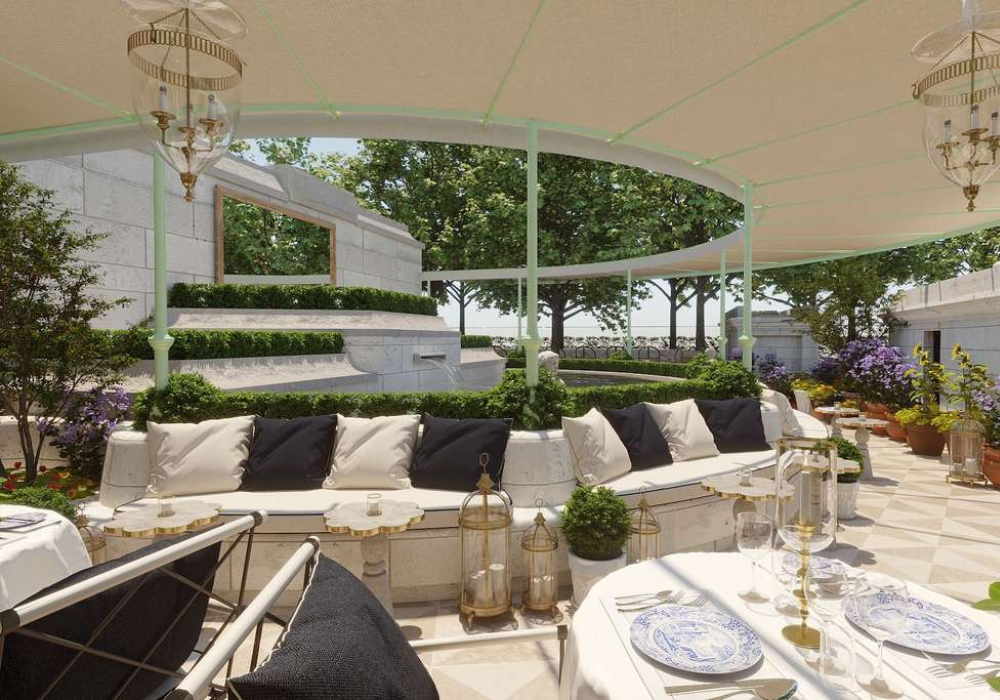
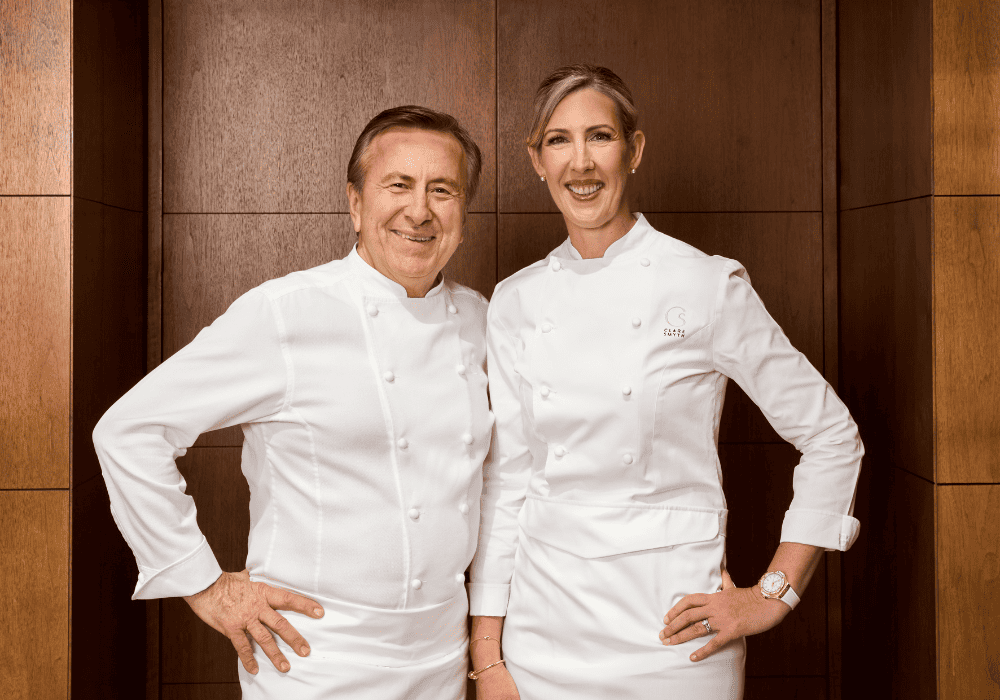
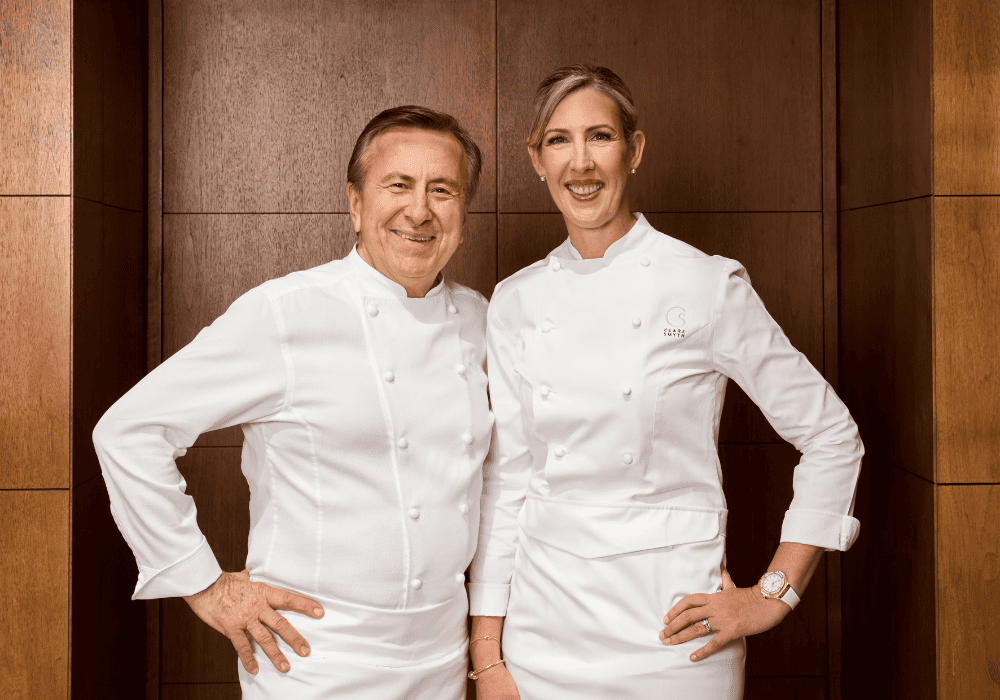
For the London market, the relevant factor is not only the presence of two high-profile chefs, but the way the entry point is designed: Café Boulud operates as the first point of contact for a broad slice of demand, breakfast, afternoon tea, lunch, and can become the space that normalizes access to the building for a local audience, while Coreus and the bar complete the arc of experiences for more specialized profiles. This commercial architecture aligns with how luxury hotels sustain occupancy and visibility in mature markets: a standout suite is not enough; what’s required is constant programming and a food-and-beverage offer with a life of its own.
The main novelty is the choice of Café Boulud as the most visible engine of the 2026 opening: a French restaurant in a flexible format, with a strong focus on breakfast and tea as well as lunch and dinner, set on the rooftop of a historically significant building with views shaped by the city itself. With that move, the project signals a reopening in which gastronomy does not merely accompany the hotel, it helps define it.
The Luxury Trends Magazine (Revista de Lujo – Luxury Magazine) © imágenes de Waldorf Astoria