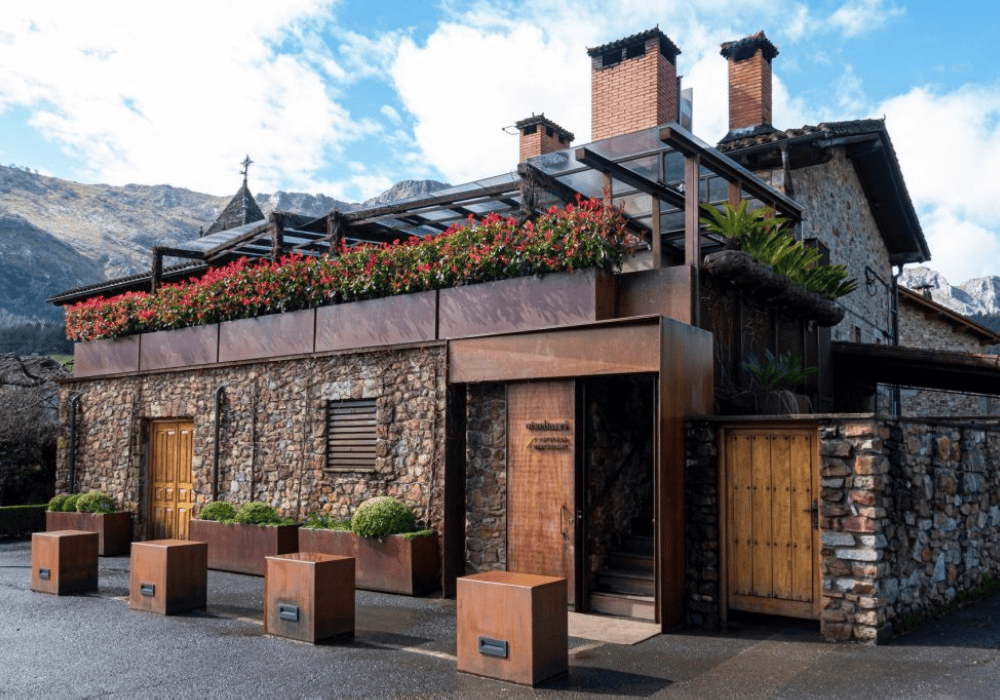
In a farmhouse in Atxondo (Bizkaia), Asador Etxebarri offers a fine-dining experience built almost entirely around the grill and respect for the ingredient. Led by chef Víctor Arguinzoniz, the restaurant combines understated service, a rural setting, and an extremely precise command of fire that has made it a travel destination for international diners.
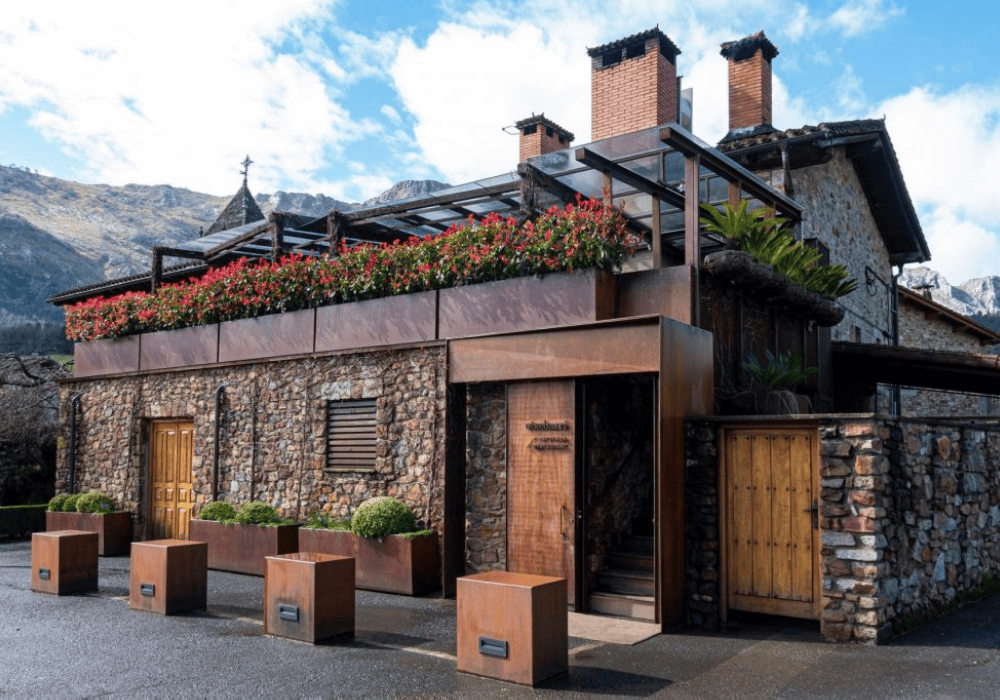
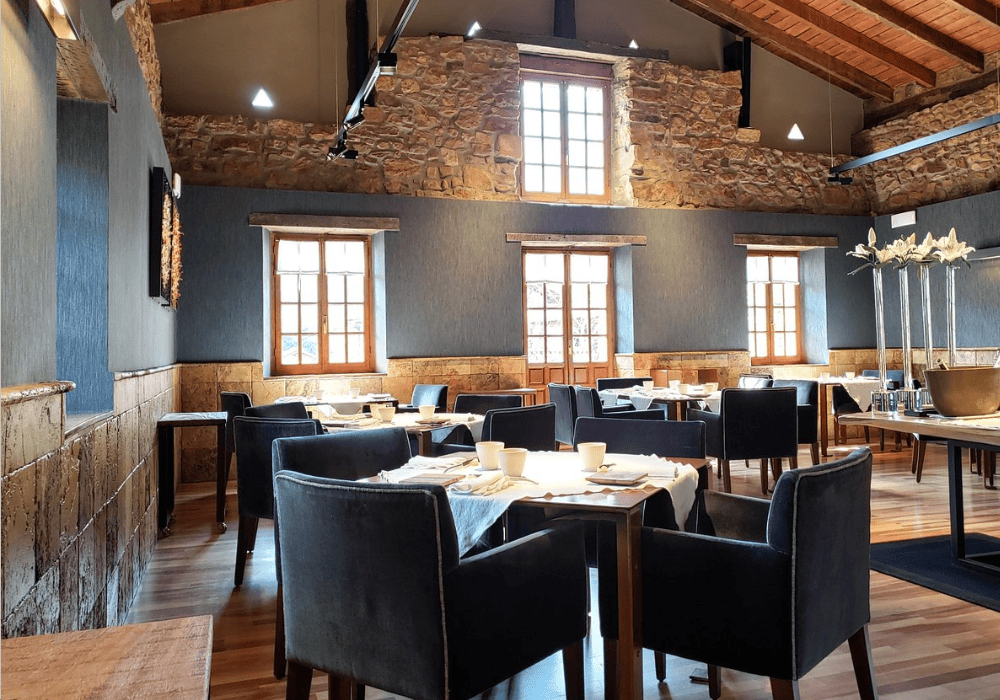
Asador Etxebarri is a limited-capacity restaurant in the Atxondo valley, reached via secondary roads and without the urban packaging typical of major gastronomic temples. Its proposal, however, aligns with fine dining: a tasting menu, top-tier produce, and a level of consistency that demands method. The difference lies in the language: here, the operational center is the grill, and the guiding thread is control of fire as the primary culinary tool.
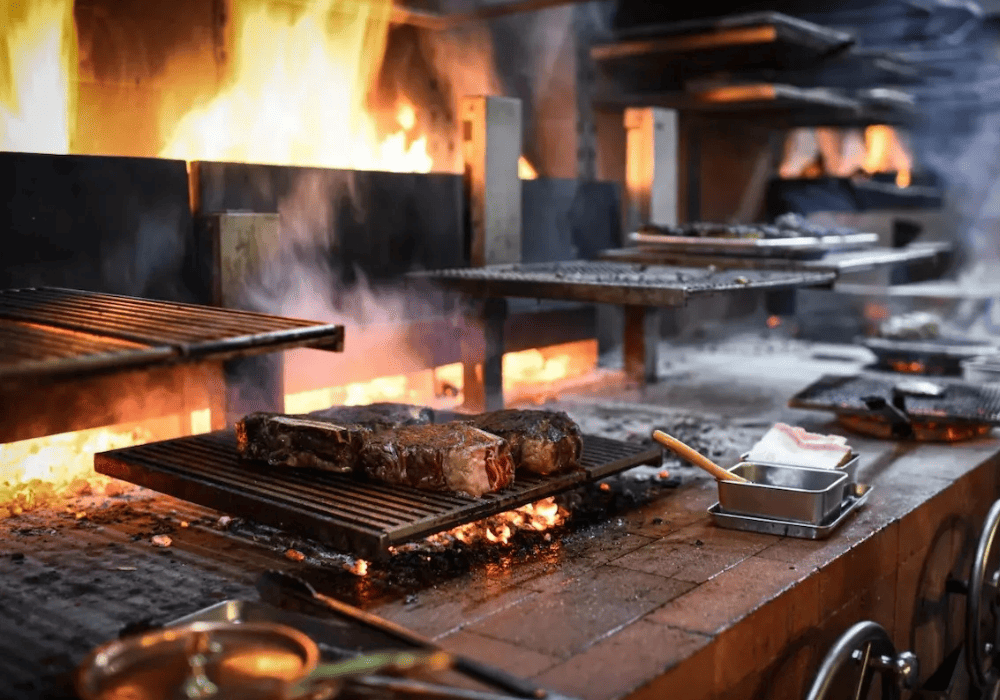
Etxebarri does not operate as a traditional “asador” in the broad sense of the term. The kitchen uses grilling systems designed to adjust heights, surfaces, and distances from the heat according to each ingredient. That technical detail explains why delicate seafood, seasonal vegetables, and cuts of meat can coexist in the dining room without smoke “flattening” the result: the aim is to nuance, not to impose. The selection of wood, by intensity, burn time, and aroma, acts as a decision that shapes texture and flavor with a precision the diner senses without needing it explained.
Once the place and method are clear, the accolades make more sense. In 2025, The World’s 50 Best Restaurants keeps Asador Etxebarri at No.2 in the world and, in addition, awards it the title Best Restaurant in Europe 2025. The same organization also lists it as No.2 in 2024, a notable stability on a ranking where positions often shift due to openings, jury changes, and international trends. These milestones have practical consequences: they increase global demand, turn booking into an act of planning, and place Bizkaia on high-end gastronomic travel itineraries.
In parallel, the restaurant holds a Michelin Star in Spain, a distinction that, in this case, serves as a complementary indicator: it confirms a sustained standard of cuisine and service within the Michelin framework, even if the restaurant is better known for its position on 50 Best. The combined reading, international ranking and guide, describes a house operating with parameters of excellence recognized by different systems.
Another element that completes the picture, and one that is often overlooked, is the role of the dining room. In 2025, Mohamed Benabdallah receives the World’s Best Sommelier (50 Best) award, and that fact shifts the focus: Etxebarri is not only fire-driven cooking. The wine program and service coordination carry their own weight in an experience where the rhythm of the menu and pairing accompany an international audience accustomed to comparing gastronomic destinations as part of cultural luxury.
The restaurant’s proposal is also explained by how it buys and by its relationship with the product. The menu changes with the season and with what arrives at its best each day; that is why the structure does not rely on an extensive à la carte offering, but on a sequence of courses that adapts to availability. In that framework, traceability does not function as a slogan, but as a condition: if almost everything will pass over embers, fat content, freshness, and the ingredient’s texture determine the final result. The kitchen does not seek to “surprise” through construction; it seeks for each item to leave at its exact moment, with a measured imprint of fire.
The dishes that have made the asador famous are often described for their apparent simplicity: seafood over embers, fish handled with delicacy, seasonal vegetables, and meats with the depth that comes from long maturation. The coherence lies in the fact that every course, from start to finish, follows the same logic. Even desserts can incorporate a trace of fire, not as a gesture, but as a continuation of the idea. That discipline, repeated daily, is one of the reasons Etxebarri is frequently cited as a technical reference in schools, professional kitchens, and specialized media.
In the luxury universe, Etxebarri fits through a set of verifiable factors: international reputation, limited capacity, its own technical method, and a recognizable identity that does not depend on scenography. Its importance, more than a trend, lies in having shown that fine dining can rely on a single tool, fire, and bring it to a standard of precision that attracts diners and professionals across multiple continents. With the context clear from the start, awards and rankings stop being a list and become the logical consequence of a model: selecting, controlling, and executing with consistency.
The Luxury Trends (Revista de lujo – Luxury Magazine) © Asador Etxebarri images