Paris is preparing a significant shift in its cultural landscape in October 2025 with the opening of the new headquarters of the Fondation Cartier pour l’art contemporain at 2, place du Palais-Royal, opposite the Louvre. The move from Boulevard Raspail and the architectural transformation designed by Jean Nouvel position the project at the intersection of cultural institutions, cultural tourism, and international positioning.
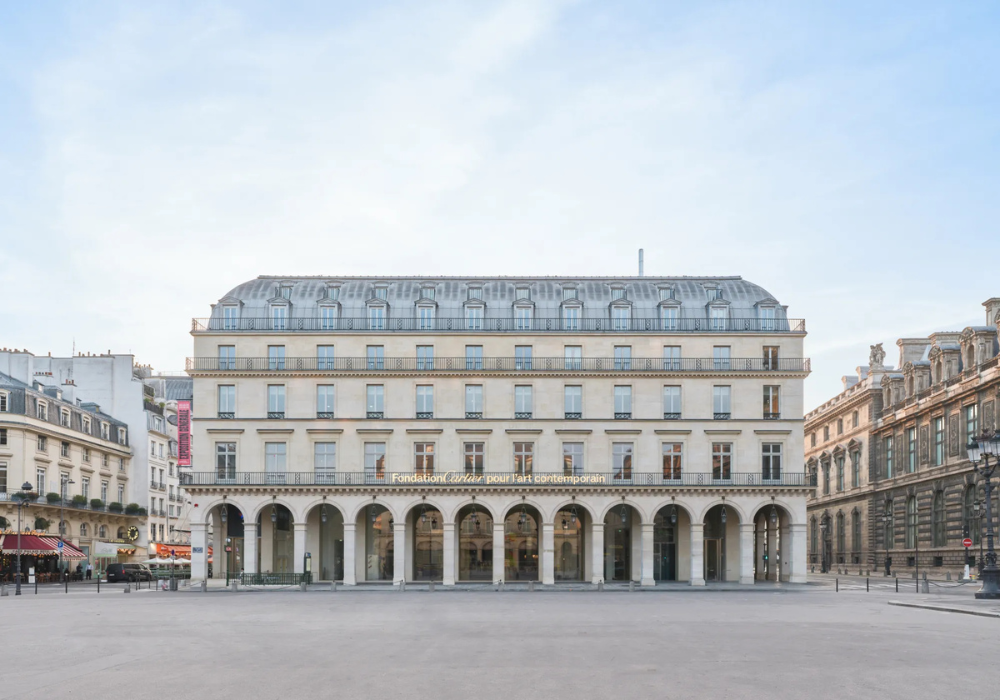
The move is not a simple change of address: it means taking over a historic 1855 building with a legacy that runs from the former Grand Hôtel du Louvre and the Grands Magasins du Louvre to the Louvre des Antiquaires, which closed in 2020, and turning it into next-generation cultural infrastructure in the heart of the 1st arrondissement. In terms of cultural luxury, location matters as much as content: Place du Palais-Royal and the Louvre–Rue de Rivoli axis bring together flows of international visitors, residents, and circuits of symbolic consumption in which the museum functions both as a destination and as a language.
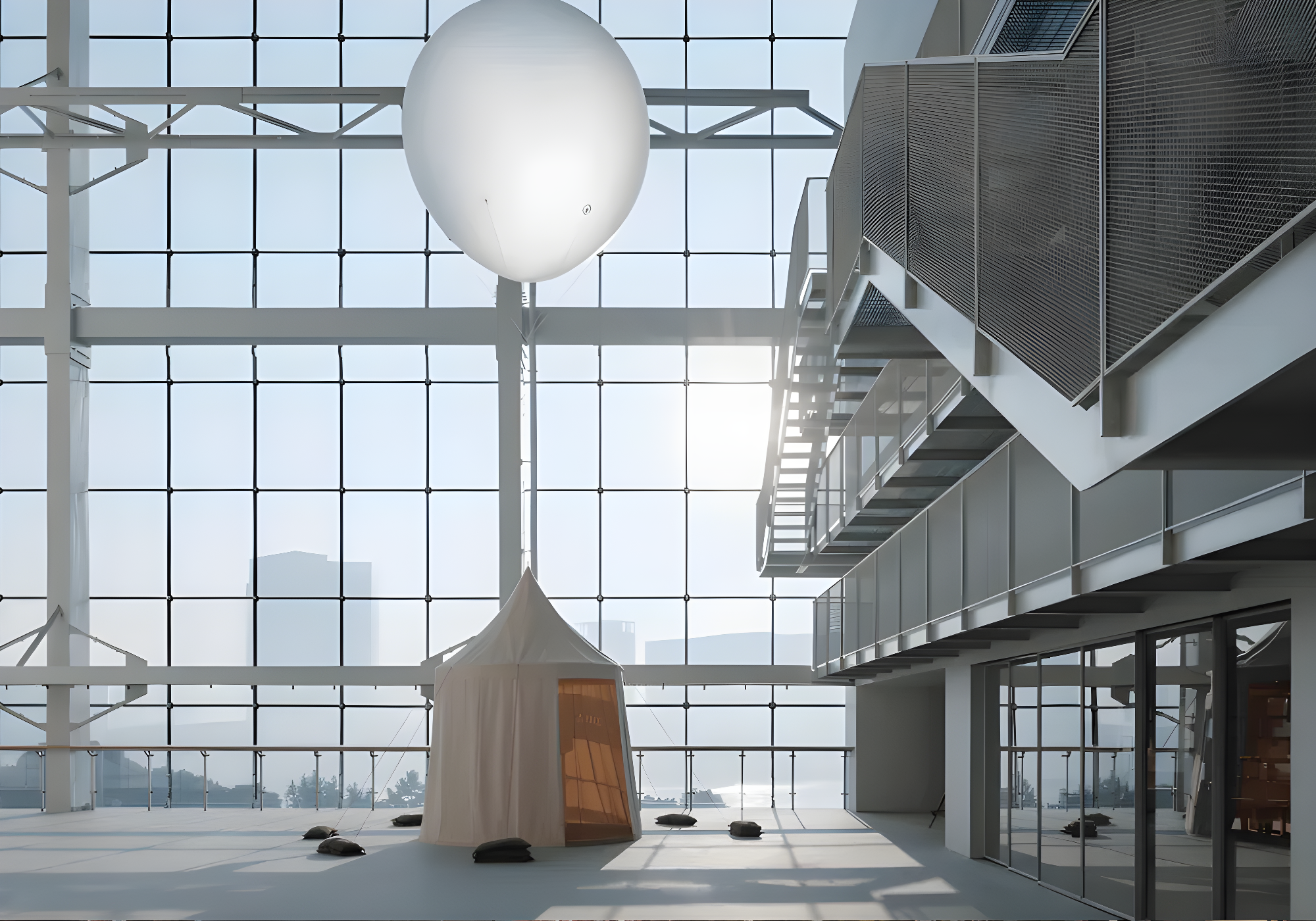
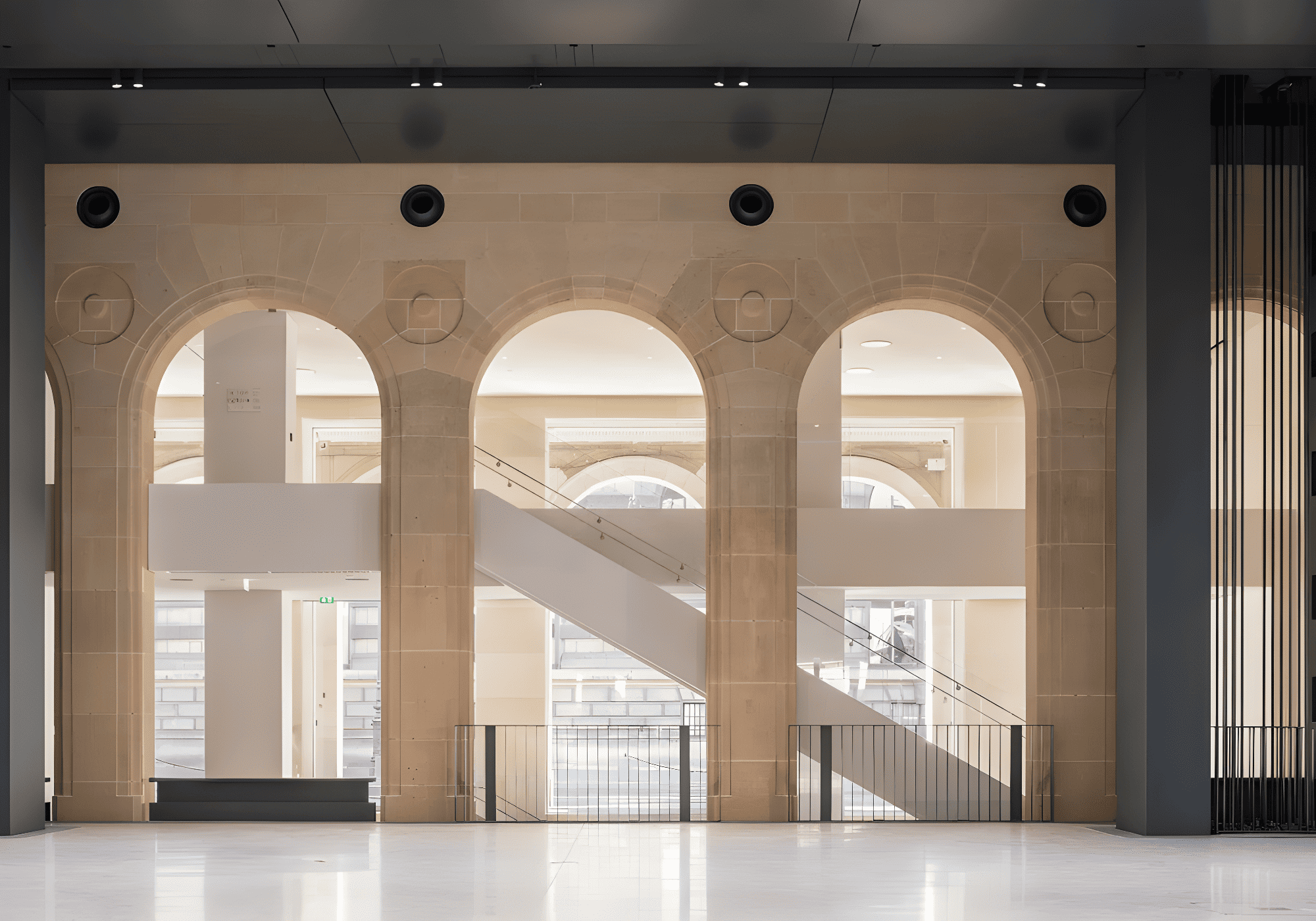
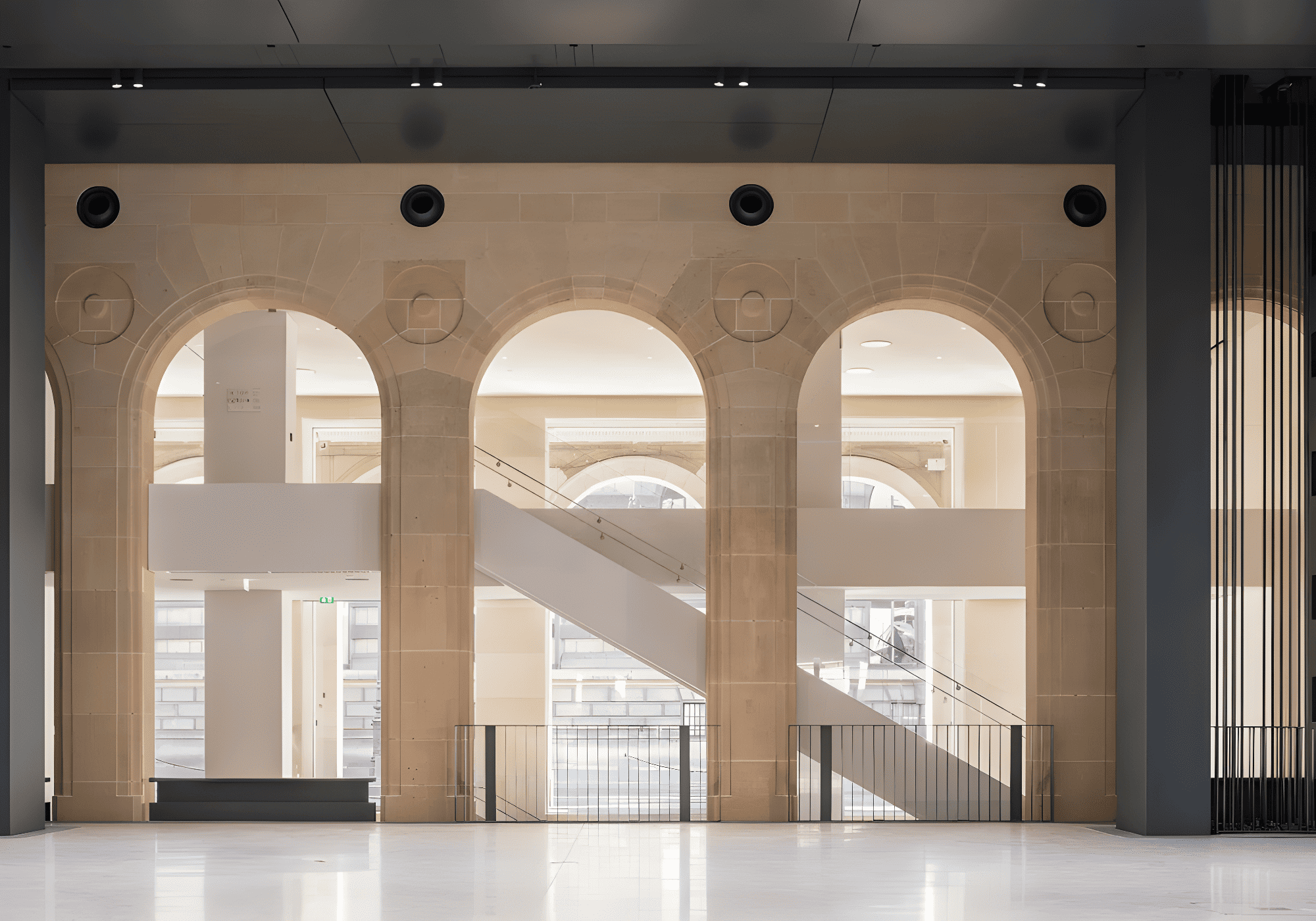
Jean Nouvel’s intervention adds a layer of continuity and, at the same time, rupture. The architect, also the author of the Fondation Cartier building inaugurated in 1994, radically reshapes the interior volumes of the new property to prioritize exhibition flexibility and the relationship with the city. This commitment to modularity aligns with a growing trend among high-visibility private institutions: architecture stops being merely a container and becomes a system, capable of adapting to shifting scales, disciplines, and narratives without losing coherence.
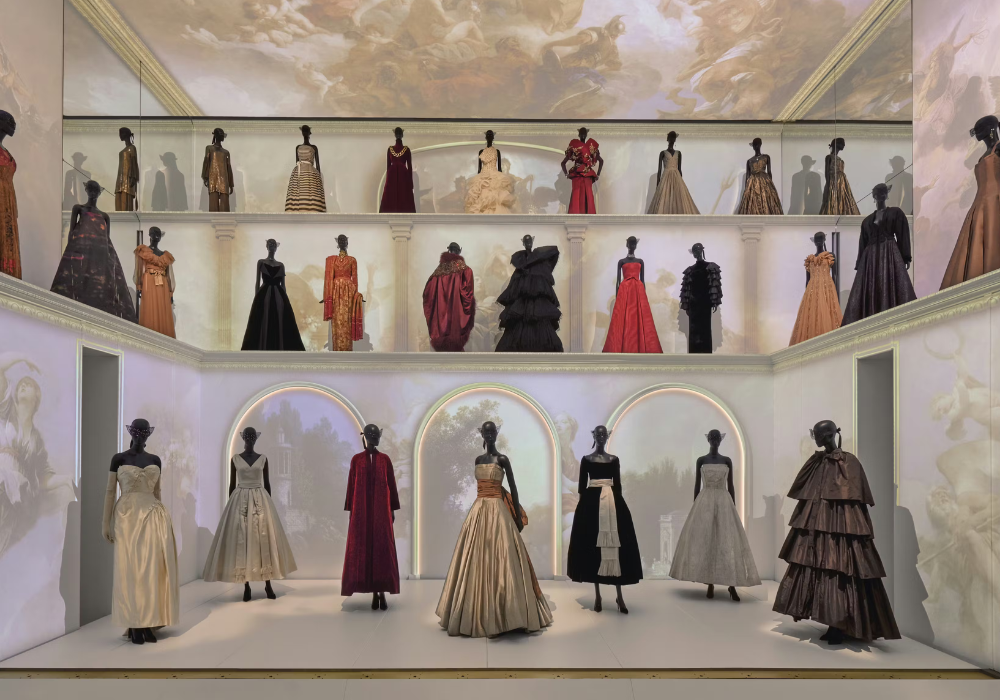
The opening program reinforces that idea through a gesture of synthesis: “Exposition Générale,” conceived as a broad reading of more than four decades of curatorial work, will run from 25 October 2025 to 23 August 2026. The exhibition brings together nearly 600 works and more than a hundred artists, shaping a narrative where installations, photography, painting, sculpture, and hybrid practices, hallmarks of the institution’s identity, coexist. Choosing a collection-based exhibition as a calling card is far from incidental: in the luxury ecosystem, the archive becomes an asset, and well-managed memory acts as a form of legitimacy for global audiences seeking context, not only spectacle.
From a positioning perspective, the new headquarters expands the Fondation Cartier’s sphere of influence in a city competing for cultural leadership amid a crowded calendar of major openings and exhibitions. The move to the Louvre’s immediate surroundings increases its visibility capital, but it also raises the bar: the institution becomes subject to direct comparisons with the leading cultural players in the historic center, where audiences quickly judge access, circulation, the visitor experience, and the density of content.
The urban approach is equally central. Official documentation frames the project as an open and modular space, designed to host artistic creation while preserving the building’s architectural and urban traditions. In practice, this means the Fondation Cartier is not only opening new galleries, but also establishing a new kind of relationship with its immediate surroundings: a headquarters understood as part of the city’s fabric rather than an isolated destination. That reading aligns with recent analyses emphasizing a desire to broaden reach and engage with public space, reinforcing the idea of a permeable institution that remains active in urban life.
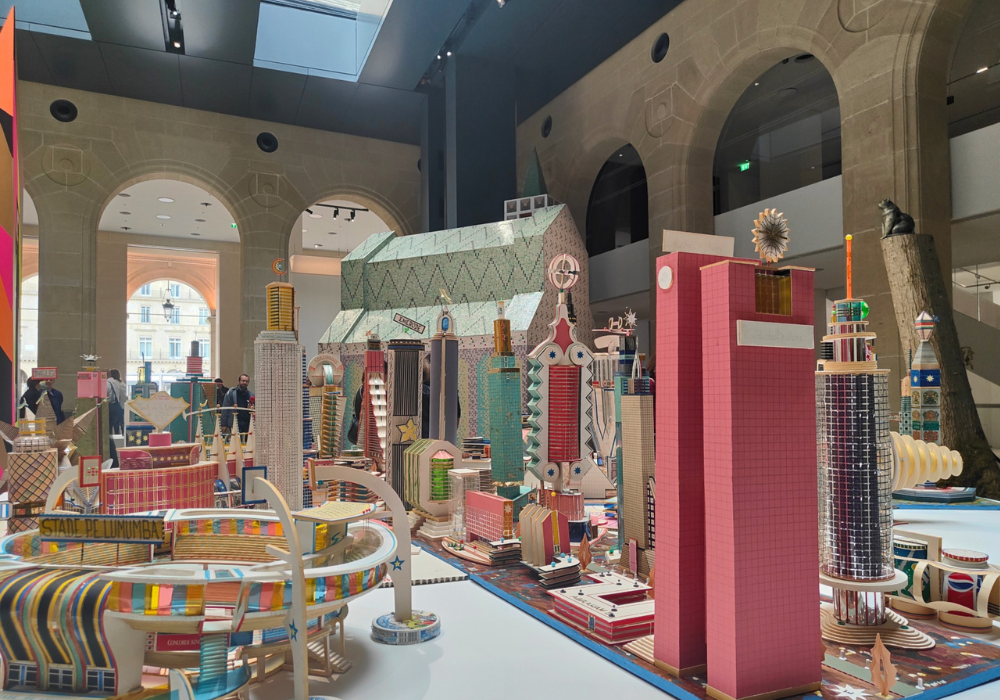
From an experience standpoint, the reopening rests on a clear promise: to return to visitors an institution recognizable for its curatorial line, a crossroads of visual arts, architecture, design, and experimental formats, but at a scale and in a context that shifts perception. This has direct implications for premium cultural tourism, for the city’s agenda, and for the network of collectors and patrons that gravitates around major openings. In Paris, architecture is visited, exhibitions are programmed as landmarks, and the city folds these launches into its reputation economy; being “opposite the Louvre” is not only a coordinate, it is a signal.
With 25 October 2025 set as the public launch date and “Exposition Générale” as the inaugural framework, the outcome is a reopening that does not merely add square meters or prestige, but rather reshapes how an institution linked to luxury participates in the global cultural conversation from the historic center of Paris.
The Luxury Trends Magazine (Revista delujo – Luxury Magazine) © Cartier & SortirAparís images