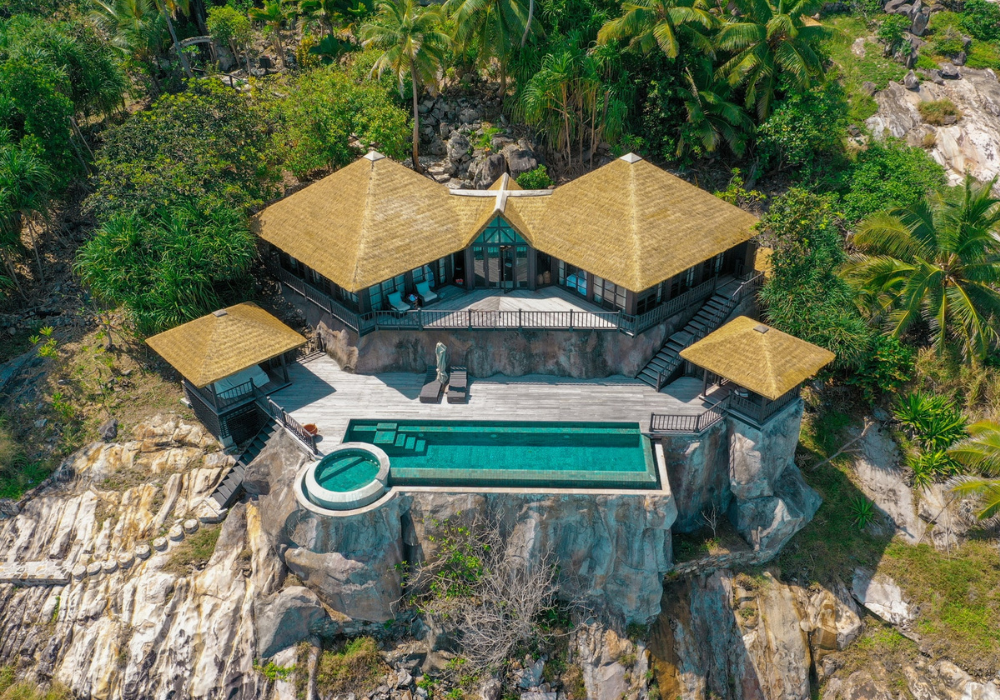
The private island in the Seychelles is set to welcome guests again in autumn 2026 after a complete rethink of its hotel concept, infrastructure, and services. The project positions Fregate as one of the most closely watched returns on the international luxury hospitality circuit, with a stated focus on privacy, technology, and environmental protection.
On the high-end travel map, few reopenings attract as much attention as that of this controlled-access Seychelles island, which has remained closed through an extended cycle of works and operational redefinition. The new chapter is scheduled for autumn 2026 and is presented as a near “from-the-ground-up” rebuild of almost every aspect of the destination, with select exceptions tied to the site’s sense of memory, such as the historic chapel and the former boat shed, preserved as key identity markers.
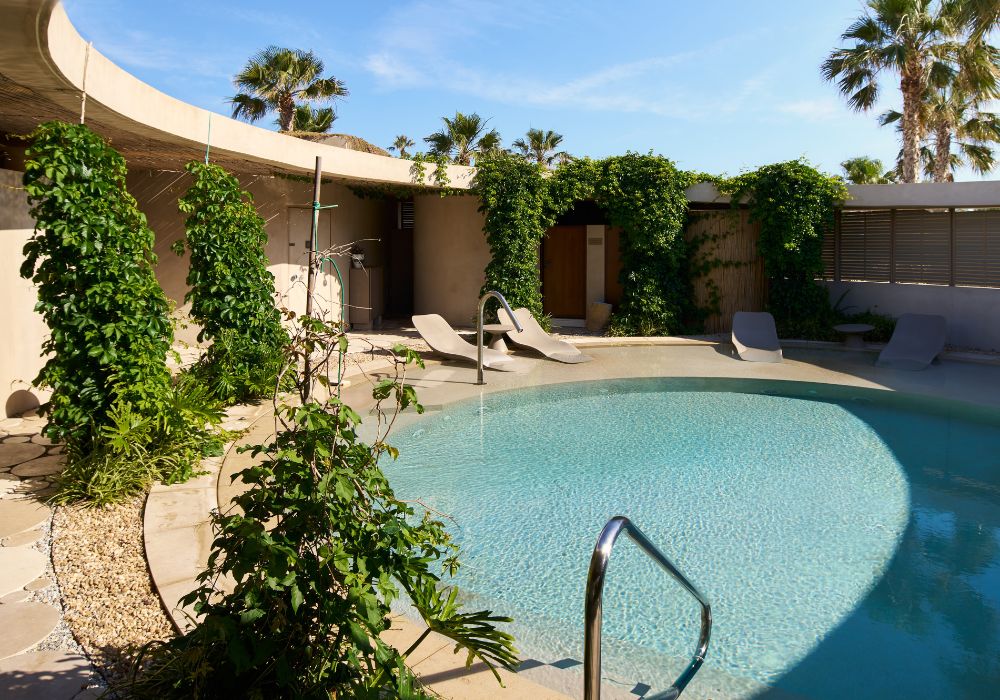
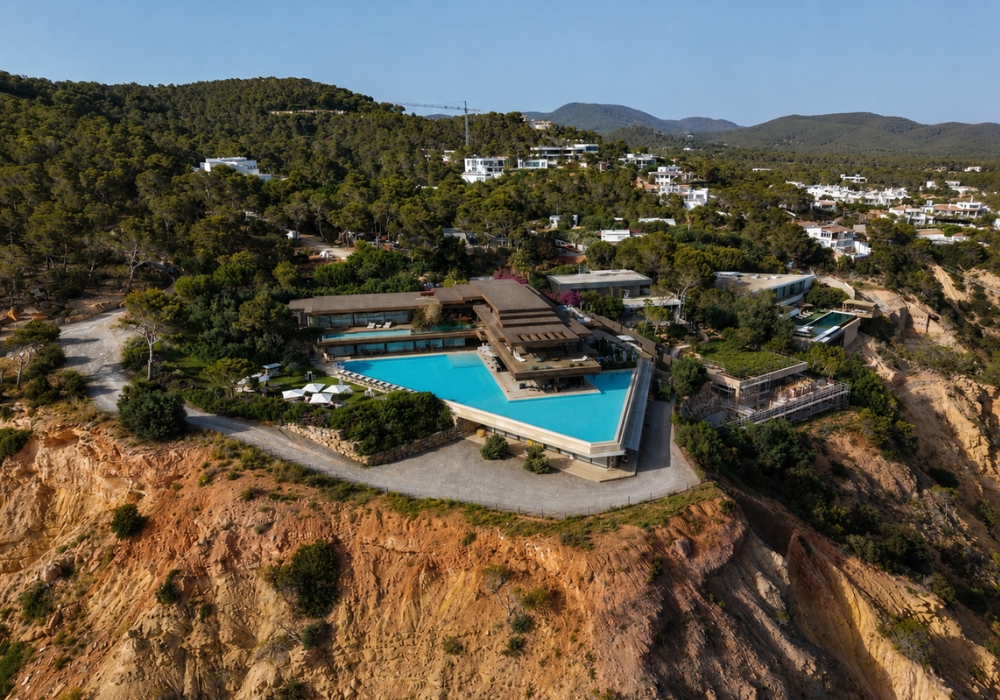
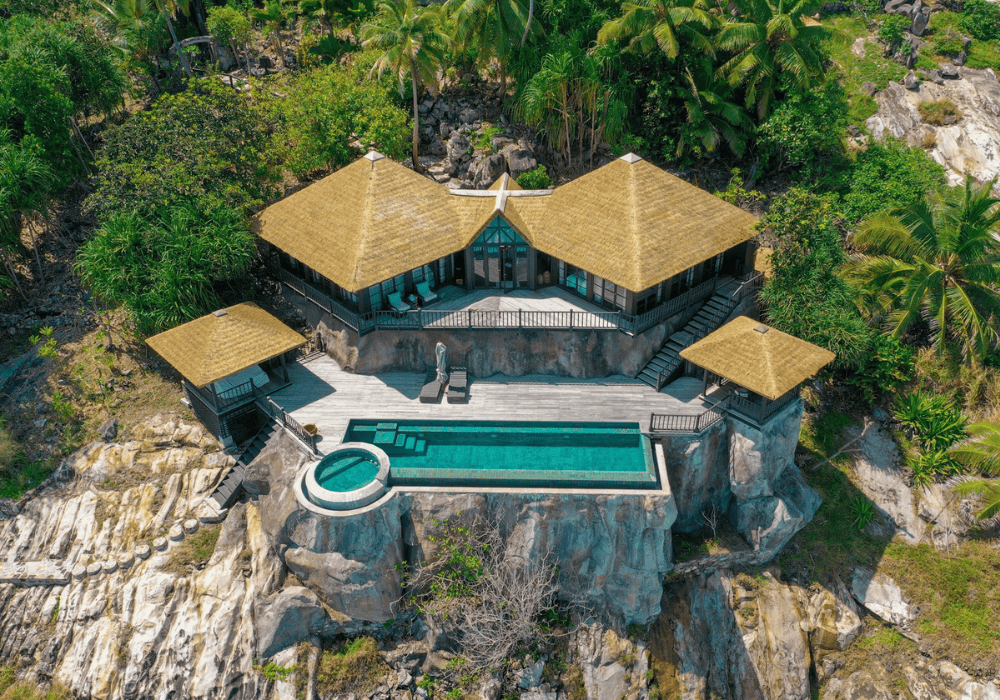 The scale of the project helps explain the timeline: the relaunch is built around a deliberately limited offering, consistent with a private island that has long anchored its reputation in seclusion. The new layout includes 14 pool villas and three larger estates, all rebuilt and reimagined to maximize independence, views, and discreet service circulation. Among the most symbolic changes is the evolution of the historic Banyan Hill Estate, reintroduced as a residence named The Owner’s Estate, conceived as the island’s most private unit, with complementary facilities and direct sea access.
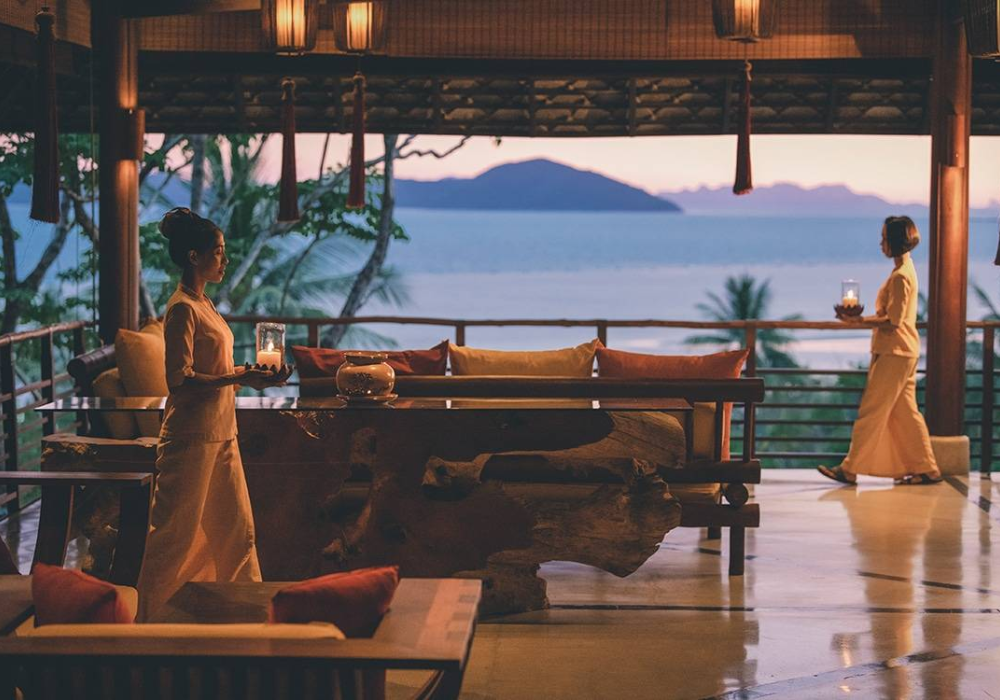
In parallel, the plan introduces an expanded social and culinary hub: Plantation House will operate as the nucleus of daily life, with dining spaces, cultural areas, and in-house services designed to reduce the need to leave the resort’s perimeter. The announced inventory includes, among other elements, a distillery, pastry atelier, cigar lounge, library, boutique, workshops, and a museum, alongside a wine cellar described as the largest in the region. From an experience standpoint, this concentration of services reinforces a clear trend in the segment: longer stays in remote destinations, supported by programming and content capable of sustaining interest without sacrificing calm, control, or discretion.
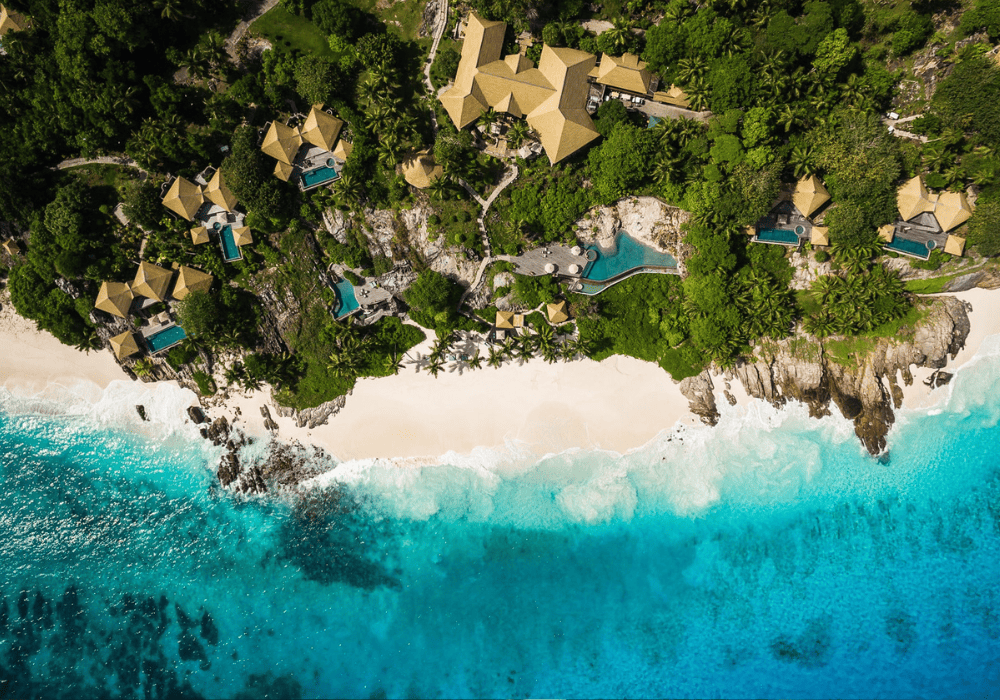 The leisure and health component follows the same long-stay logic. The reopening adds a spa and an expanded wellness programme, alongside sports facilities such as floodlit padel and tennis courts, and an upgraded nautical club. Connectivity is also positioned as part of the luxury baseline: the integration of Starlink in every villa points to a model of digital privacy and a dedicated network per unit, an increasingly relevant factor for guests who combine downtime with professional management from remote destinations.
The environmental narrative, meanwhile, is not treated as an add-on but as a structural pillar of the repositioning. The project states that up to 80% of ingredients will come from on-island production and controlled catches, organised around sustainable fishing and traceability standards. In that vein, it references the use of Abalobi to document catches and provide transparency on provenance, an approach aligned with international demand for verifiable supply chains in luxury dining. On the energy and resource side, the redesign incorporates solar power systems, recycling and composting, as well as desalination and refill infrastructure aimed at reducing single-use plastics.
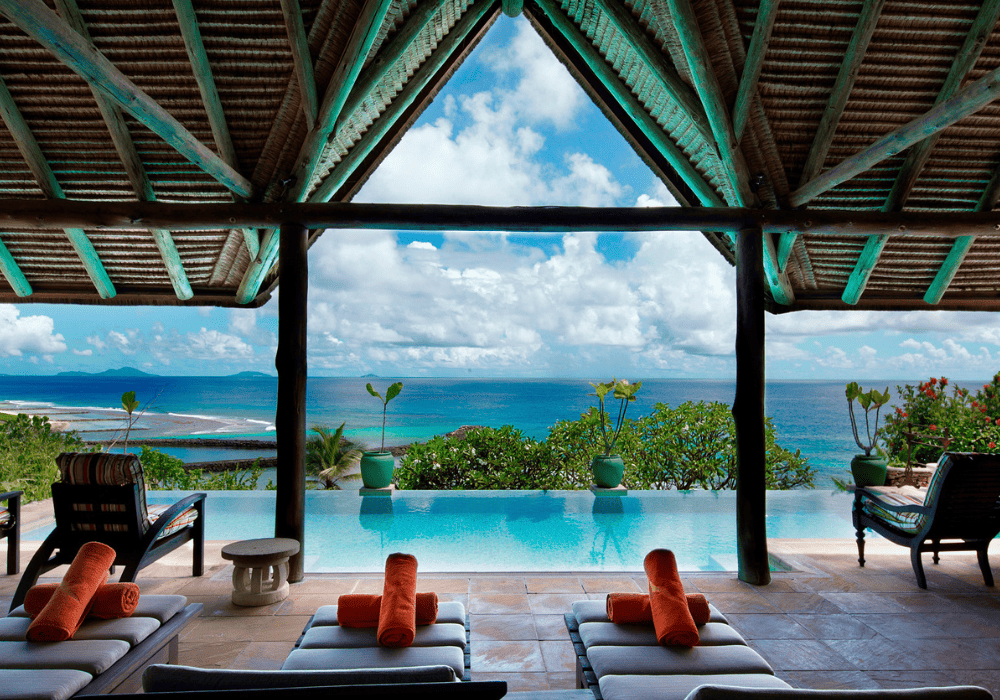 Conservation is, in fact, one of the enclave’s long-standing differentiators, and it is being strengthened through spaces and practices embedded in day-to-day operations. The island is home to thousands of Aldabra giant tortoises and is linked to a widely cited species-restoration success: the recovery of the Seychelles magpie-robin, whose population rose from a critically low starting point to hundreds of birds across the archipelago, with a significant share associated with the island itself. Added to this are marine initiatives described as coral-restoration projects in collaboration with Coralive, and a conservation laboratory that will also form part of the guest experience.
From a positioning perspective, Fregate’s strategy rests on a difficult balance: raising the standard of facilities without opening the door to massification. With an area of close to 544 acres and development limited to a fraction of the territory, the narrative insists on avoiding the “commercialisation” that characterises other luxury-expansion models. The low-density promise is supported by the layout of beaches and panoramic points, including Mont Signal and its associated sunset bar, and by sands such as Anse Victorin, repeatedly cited among the most notable internationally. This approach aligns with the market’s evolution: fewer keys, more control, and a story that combines design, high-complexity logistics, and ecological credibility.
The Luxury Trends Magazine (Revista de lujo – Luxury Magazine) © Fregate images