The Italian maison Bvlgari, introduces in Tokyo its largest cultural project so far, an immersive exploration of its evolution through color, light and craftsmanship. The exhibition positions the Japanese capital as a global stage where the vision of Bvlgari acquires renewed artistic and historical depth.
“Kaleidos” arrives as one of the most ambitious cultural initiatives within the contemporary luxury landscape, bringing together more than eight decades of design, archival material and masterworks from the house. Conceived to reach an international audience, the exhibition unfolds through a sequence of thematic rooms that examine how the maison has reshaped the language of jewelry by emphasising chromatic intensity, geometric compositions and innovative material combinations. The pieces, meticulously selected and restored for this edition, highlight the enduring influence of Rome on the brand’s aesthetic, as well as its sustained commitment to research, technique and proportion. From early gold creations to recent collections inspired by urban dynamism, the project offers a broad cultural and historical reading of the house’s visual heritage.
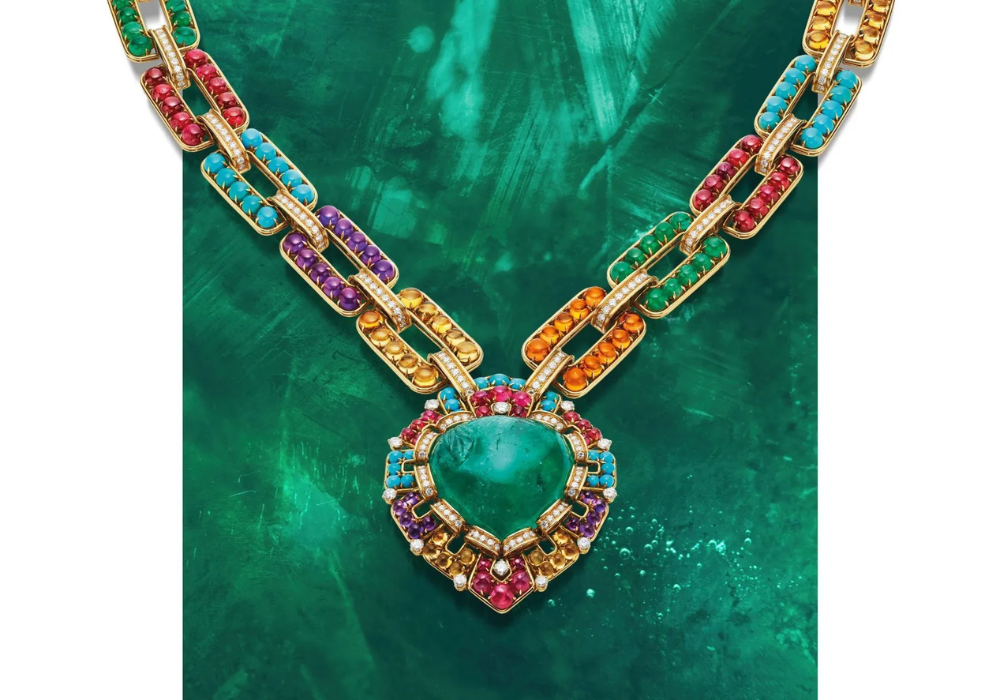
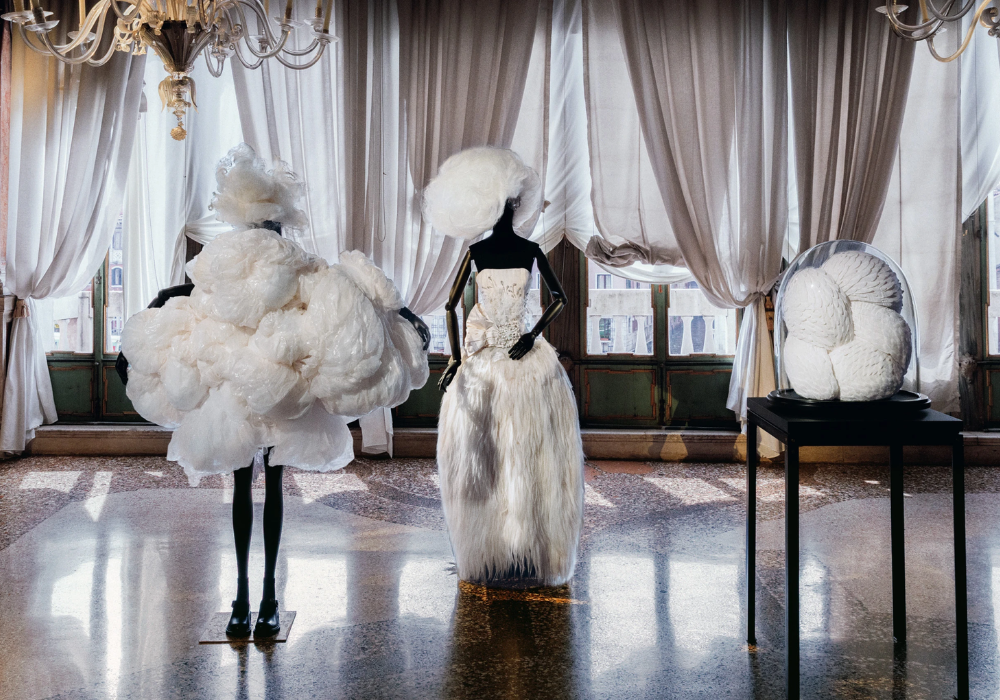
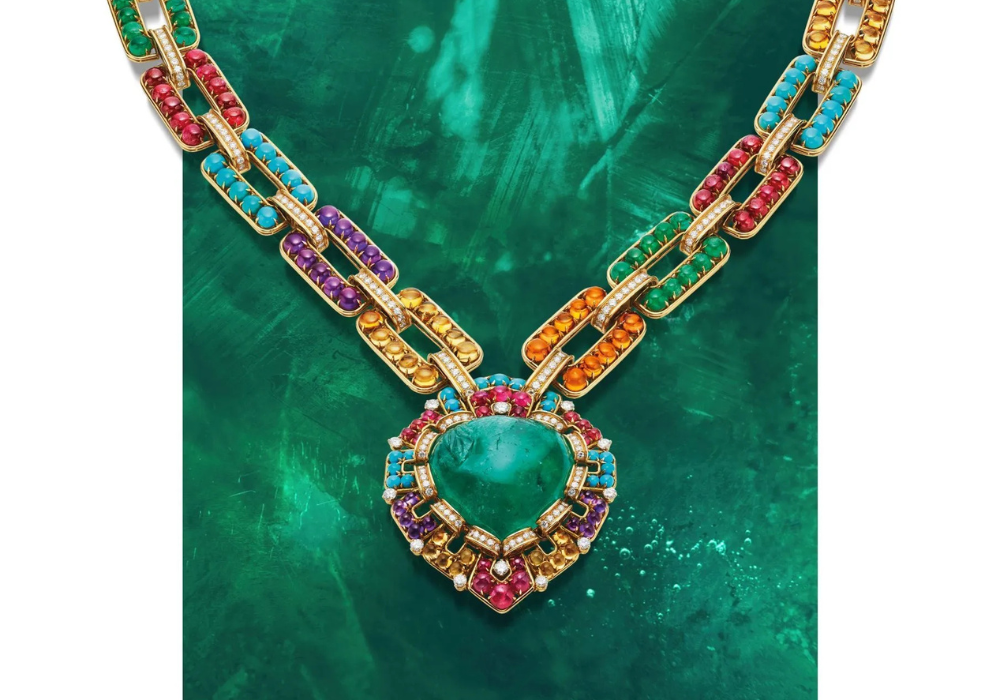
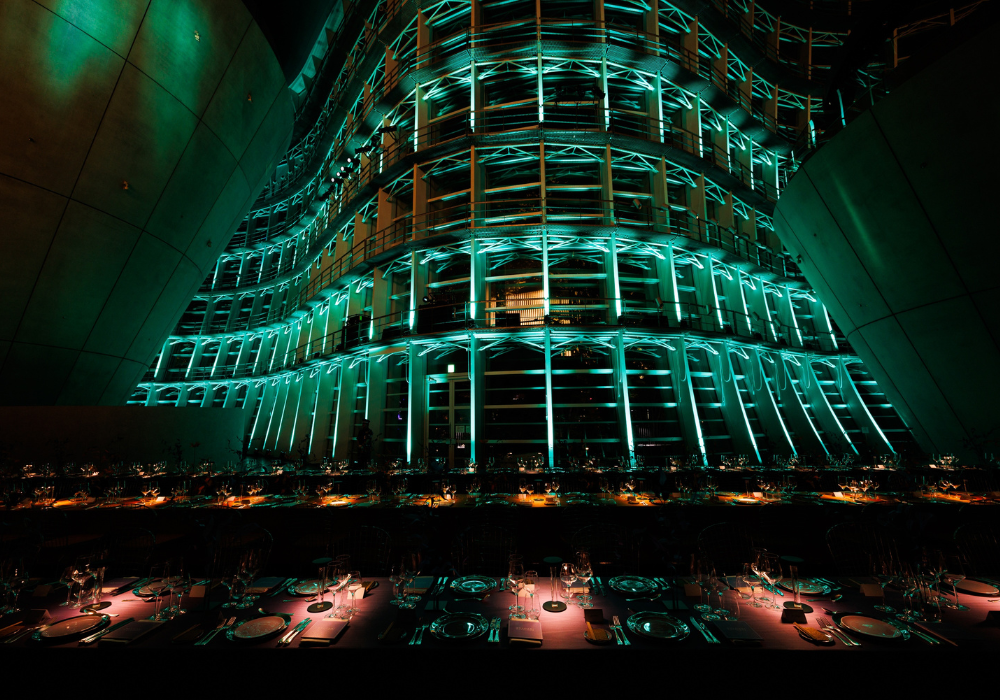
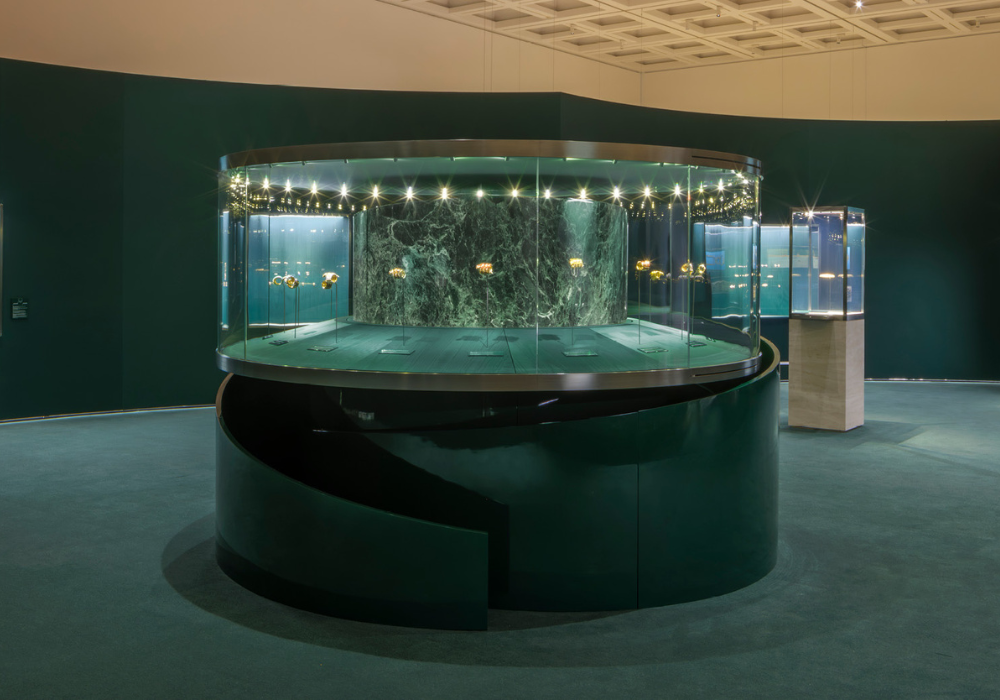
The installation distinguishes itself through its scenography, which incorporates mirrored structures, prismatic forms and lighting sequences that evoke the shifting perspectives of a kaleidoscope. This architectural approach underscores the maison’s evolving exploration of color across its legacy of high jewelry, where combinations of precious stones such as emeralds, amethysts or tourmalines have become defining signatures. The narrative illustrates how color has functioned as a structural element, guiding decisions on volume, balance and stylistic identity. This trajectory becomes visible both in archival pieces and in more recent models that articulate a dialogue between tradition and contemporary craftsmanship.
A significant portion of the exhibition is dedicated to audiovisual materials and previously unpublished documents that contextualise the maison within the broader international cultural scene. Original sketches, archival photographs and footage of Italian master artisans at work illuminate the importance of craftsmanship in the house’s evolution. These materials trace the refinement of techniques, from complex stone setting to precision casting and the development of sculptural silhouettes. Complementary commentaries from designers and historians enrich the visitor’s understanding of how the maison’s visual codes have influenced global culture across the twentieth and twenty-first centuries.
“Kaleidos” also addresses the longstanding relationship between Bvlgari and Japan, a country that has played a pivotal role in consolidating the brand’s presence in Asia. The curatorial approach explores aesthetic affinities between the two cultures, such as chromatic expression, formal purity and the central role of light in artisanal traditions. Within this framework, the exhibition presents pieces of design that reinterpret iconic motifs such as Serpenti and Monete through subtle dialogues with Japanese craftsmanship. This section demonstrates how the brand has integrated external cultural influences while maintaining a coherent Roman identity deeply rooted in its origins.
A highlight of the exhibition is the gallery dedicated to the maison’s exploration of gemstones, featuring creations that span from the 1940s to current collections. Here, the interaction between structure, color and volume foregrounds the house’s long-standing affinity for bold geometry and harmonious proportions. Display strategies allow visitors to observe each piece from different angles, revealing the interplay between cabochons, faceted stones and contrasting materials. Such an arrangement reinforces the maison’s role in expanding the expressive possibilities of jewelry during a period marked by rapid shifts in visual culture.
The exhibition also includes vitrines devoted to the brand’s watchmaking universe, presenting a selection of models that illustrate both technical advances and aesthetic rigor. These pieces demonstrate the maison’s ability to work with materials such as ceramic, titanium and rose gold, elements that have contributed to its expanding global presence in the realm of haute horlogerie. Within this section, the notion of innovation emerges not as a break with tradition but as a natural extension of the house’s design philosophy, aimed at meeting the expectations of an increasingly knowledgeable and international clientele.
Beyond its historical dimension, “Kaleidos” examines the maison’s impact on cinema, fashion and the wider field of cultural production. Several displays feature pieces worn by public figures or integrated into major film productions, underscoring the role of jewelry as a cultural artifact capable of transcending the boundaries of the luxury sector. Their inclusion reinforces the exhibition’s emphasis on the intersection between heritage and contemporary relevance, a dynamic that has defined Bvlgari’s global trajectory over recent decades.
The project also reflects on the transformation of luxury in the digital era, where experiences rooted in culture and visual storytelling increasingly shape brand identity. By combining archival rigor with immersive scenography, the exhibition contributes to a broader conversation about the role of heritage houses in today’s cultural ecosystem. For analysts, the initiative exemplifies how historic brands are leveraging exhibitions not merely as displays of product but as comprehensive narratives that connect past, present and future.
In strategic terms, the presentation of “Kaleidos” in Tokyo strengthens the maison’s presence in a region that continues to drive growth in global luxury consumption. Japan remains a key market for high-end jewelry and watchmaking, distinguished by an audience with profound knowledge of materials, technique and design. The city’s cultural institutions, architectural landscape and public appreciation for curated experiences offer an ideal setting for a project of this scale. The exhibition’s scope aligns with Bvlgari’s broader objective of reinforcing its international footprint through cultural initiatives with long-term resonance.
The Luxury Trends (Luxury Magazine – Revista de Lujo) © Bvlgari images